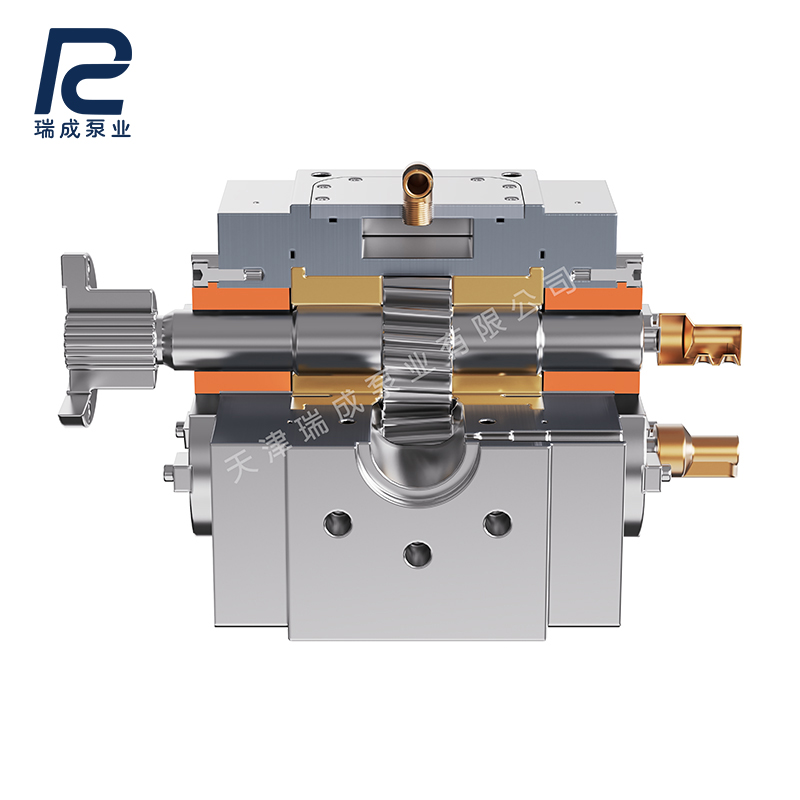
In rubber extrusion, post-mixing conveyance, calender feeding, and the metering of high-viscosity materials, rubber pumps typically serve to ensure stable conveyance, boost and maintain pressure, and provide metered feeding. Unlike ordinary liquid conveyance, rubber materials are often characterized by high viscosity, high flow resistance, temperature sensitivity, and heavy operational loads. Therefore, when selecting and using rubber pumps, one must not focus solely on displacement, speed, and price; instead, special attention must be paid to temperature resistance, wear resistance, and sealing performance. These three characteristics directly affect the equipment’s ability to operate stably over the long term and also impact the output stability and maintenance costs of the entire production line.
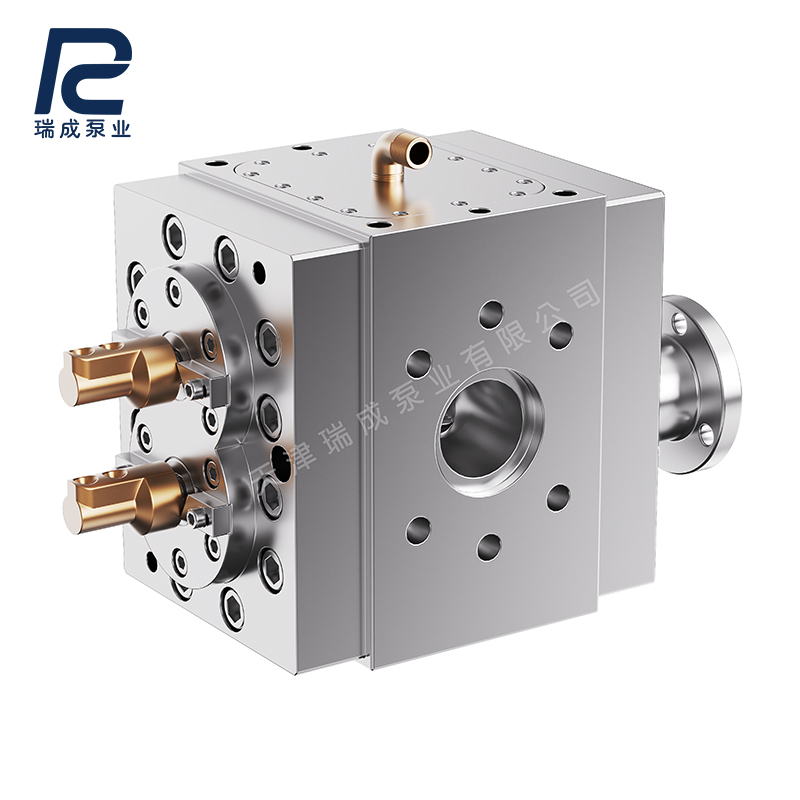
First, temperature resistance determines whether a rubber pump can adapt to actual operating conditions. Rubber and related polymer materials typically require maintaining a certain temperature during processing; temperatures that are too low can increase material viscosity and conveyance resistance, while temperatures that are too high may cause the material to scorch, degrade, or undergo performance changes. Since rubber pumps operate in high-temperature environments for extended periods, the pump body, gears, shaft sleeves, bearings, and sealing components must all possess sufficient thermal stability. If the materials lack adequate heat resistance, components may experience reduced strength, deformation, or changes in clearances under high temperatures, leading to unstable flow, pressure fluctuations, or even equipment damage. Therefore, the heat resistance of a rubber pump is not merely a matter of individual materials but a critical indicator of the overall structural stability and operational safety of the equipment.
Secondly, wear resistance directly affects the service life of rubber pumps. Rubber materials have high viscosity, and in some operating conditions, they may contain fillers, carbon black, additives, or fine impurities—all of which exacerbate friction and wear on internal components within the pump chamber. Rubber pumps are positive-displacement gear-type conveyance equipment that rely on the precise fit between the gears and the pump chamber to achieve stable conveyance. Once key components such as gear end faces, shaft sleeves, and the inner walls of the pump chamber wear down, internal clearances increase, making material backflow more likely. While the pump may appear to be operating normally, the actual discharge flow rate decreases, and pressure becomes unstable. For continuous production lines, insufficient wear resistance not only increases maintenance frequency but may also affect product dimensions, weight, and the quality of downstream molding.
Third, sealing performance is critical to pressure stability and on-site safety. When conveying high-viscosity materials, rubber pumps often need to withstand high pressures. If the sealing design is improper, or if the sealing materials are incompatible with the temperature, pressure, or characteristics of the medium, issues such as material leakage, pressure loss, and accelerated seal wear may occur. At best, this results in on-site contamination and material waste; at worst, it hinders pressure buildup in the equipment, leading to intermittent material supply. For high-temperature rubber materials, leaks at sealing points can also cause difficulties in cleanup and extended downtime for maintenance. Therefore, the sealing performance of rubber pumps must be comprehensively evaluated in conjunction with material viscosity, operating temperature, discharge pressure, rotational speed, and continuous operating time; standard sealing solutions for general-purpose pumps cannot be simply applied.
From a practical application perspective, temperature resistance, wear resistance, and sealing performance are not mutually exclusive. Temperature fluctuations affect material viscosity, and changes in viscosity impact the pump’s load and wear rate; as wear intensifies, internal clearances increase, which in turn affects pressure stability and sealing effectiveness; Once the seal fails, system pressure drops, and the pump’s actual delivery capacity is also compromised. Therefore, when selecting a rubber pump, these three performance characteristics must be evaluated as an integrated whole.
Tianjin Ruicheng Pump Industry Co., Ltd. recommends that, for applications involving rubber pumps and high-viscosity gear pumps, users should clarify parameters such as the material name, operating temperature, viscosity range, flow rate requirements, inlet and outlet pressures, presence of fillers or impurities, and continuous operating time before selecting a model. Only by selecting appropriate pump body materials, gear structures, bearing configurations, and seal types based on actual operating conditions can rubber pumps maintain stable operation in high-temperature, high-viscosity, and high-load environments, thereby providing reliable conveyance and metering for rubber production lines.