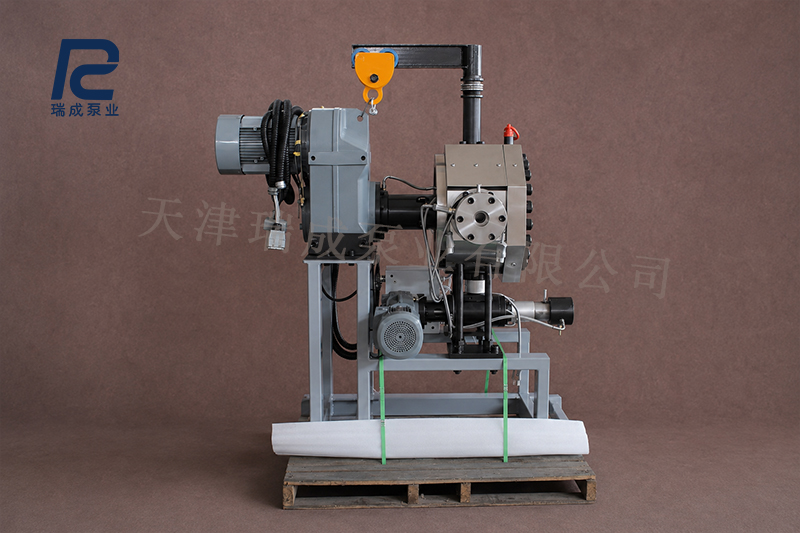
During the recycling and pelletisation of waste plastics, the raw material often contains impurities such as paper cuttings, wood shavings, aluminium foil, sand and silt, as well as unmelted material. The melt must be filtered before entering the die head; otherwise, impurities may enter downstream equipment, affecting the appearance and processability of the pellets. Conventional screen changers require the machine to be shut down for screen replacement whenever the filter screen becomes blocked. When the raw material contains a high level of impurities, the frequency of screen changes increases accordingly, leading to a significant reduction in operational efficiency. Automatic slag-discharging screen changers are capable of cleaning the filter surface during the filtration process, providing a more continuous filtration method for recycled plastic processing. This effectively reduces the need for shutdowns to change screens and improves production efficiency.
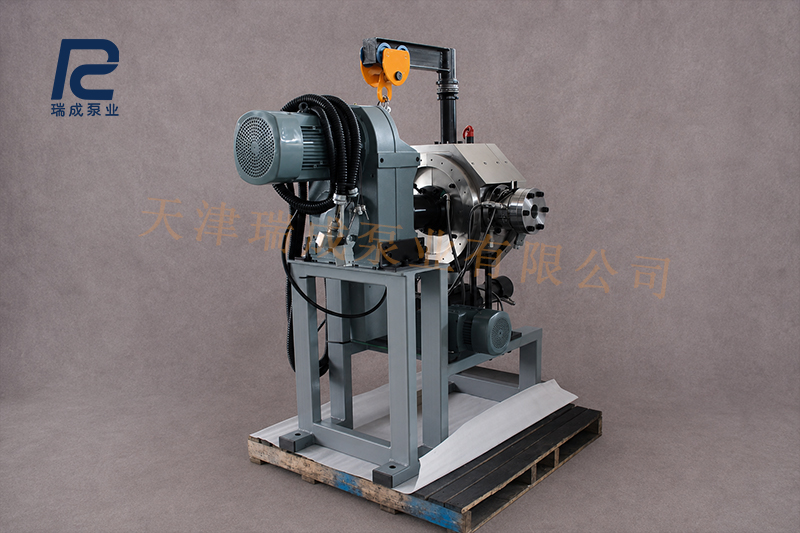
How an automatic sludge-discharge screen changer filters material
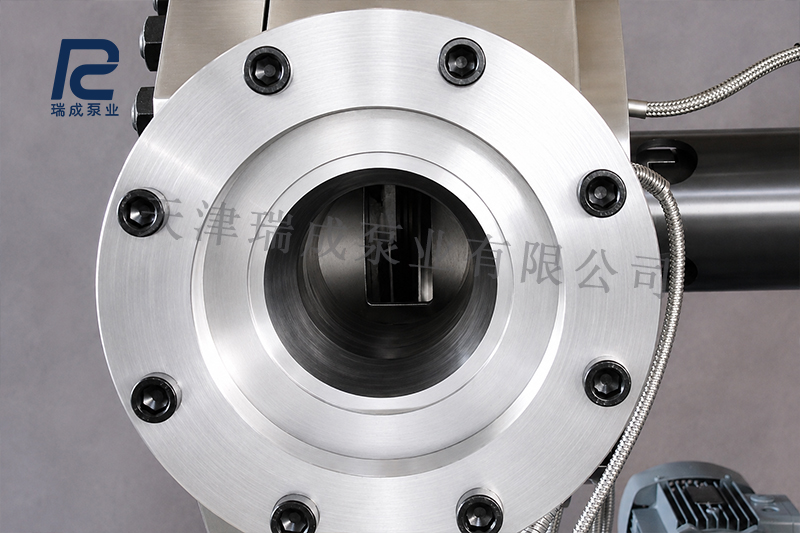
Automatic sludge-discharge screen changers typically utilise metal filter elements with densely packed filter pores. The molten material enters the unit via the feed port and passes through the filter pores under pressure; larger impurities are retained on the filter surface, whilst the filtered melt flows through internal channels into the downstream die or pelletising system.
The filter pore size must be determined based on the cleanliness of the raw material, the type of impurities, production capacity and the intended use of the pellets. Smaller pore sizes can trap finer impurities, but may also increase operating resistance. Therefore, equipment selection must not only consider filtration precision but also take into account melt viscosity, throughput and the permissible pressure of the production line.
Scraping and Discharge Process
During operation, an internal scraper rotates close to the surface of the filter element, scraping off impurities adhering to the filter surface and gradually pushing them towards the discharge area. The accumulated impurities are discharged through the discharge port via a screw, thereby reducing the risk of filter pore blockage caused by long-term adhesion of impurities.
The scraper speed and discharge frequency must be adjusted according to the condition of the material. Excessively frequent discharge may carry out a significant amount of usable melt; conversely, excessively long intervals between discharges can lead to the accumulation of impurities and an increase in inlet pressure. In actual production, settings can be adjusted based on inlet and outlet pressures, melt flow conditions and the state of the discharged material to ensure coordination between filtration and discharge.
Suitable Production Conditions
The automatic discharge and screen-changing unit is primarily used in production lines for the recycling and pelletisation of waste plastics such as PE and PP; it can also be utilised, depending on actual conditions, for the processing of film offcuts, woven bags, plastic packaging, waste pipes and mixed recycled materials. For production lines where raw materials contain a high level of impurities, manual screen changes are frequent, or where the aim is to minimise downtime, the unit can be configured to meet specific output and filtration requirements.
If the raw material contains a significant amount of hard metal objects, stones or large foreign matter, appropriate sorting equipment must still be installed during the crushing, washing and feeding stages. The automatic slag discharge and screen changer is primarily responsible for melt filtration and cannot replace upstream washing, magnetic separation or impurity removal equipment.
What to Consider When Selecting Equipment
When selecting equipment, the following details must be provided: raw material type, impurity content, melt temperature, hourly output, filtration requirements, inlet and outlet pressures, and extruder interface dimensions. Attention should also be paid to the material of the filter elements, scraper structure, heating method and slag discharge channel design. For materials containing fillers, highly corrosive substances or those prone to significant wear, the materials and surface treatments of the contact components must also be verified.
Tianjin Ruicheng Pump Industry can provide recommendations on the selection and interface configuration of automatic screen changers based on the characteristics of the recycled raw materials and the production line parameters. Appropriately setting the filter pore size, scraper speed and residue discharge frequency helps to reduce manual screen-changing operations and ensures a smoother transition between the filtration stage and the pelletisation process.