During the production of films, sheets, pipes, profiles and plastic filaments, the plasticisation, mixing and conveyance of the material are primarily carried out by the extruder screw. High raw material viscosity, screen blockages or adjustments to production speed can cause fluctuations in die pressure and output, which may result in uneven thickness, dimensional deviations or surface irregularities in the finished products.
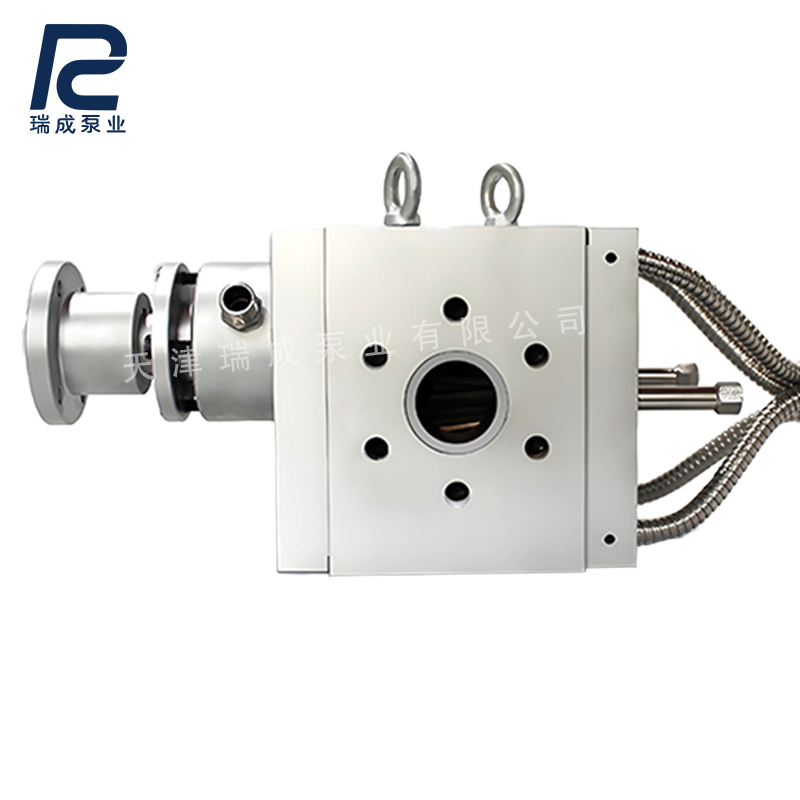
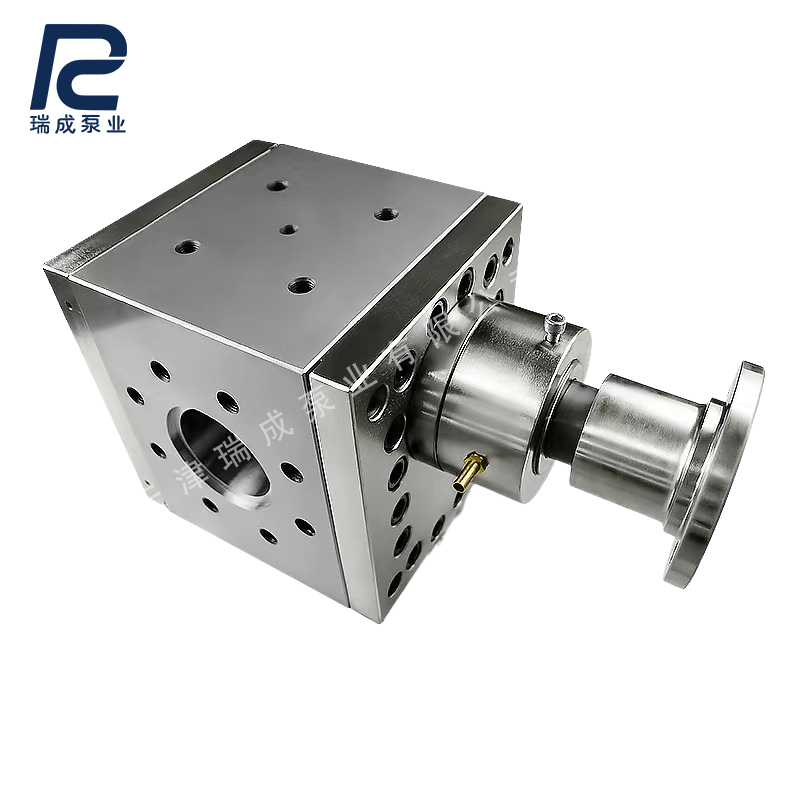
Melt pumps are typically installed between the extruder and the die head, although the installation method may be adjusted to suit specific operating conditions. The gears inside the melt pump mesh with one another to continuously convey the material from the inlet to the outlet, establishing a delivery pressure for downstream equipment and enabling precise metering.
Die Head Pressure Fluctuations
Conventional extrusion relies primarily on the screw to build pressure. When the filter screen becomes blocked or die head resistance changes, the pressure at the screw outlet is prone to fluctuation. A melt pump can assume part of the pressure-building task, minimising the impact of upstream operating conditions on die feed, thereby maintaining a relatively stable outlet pressure and ensuring consistent delivery.
Uneven Output
A melt pump delivers a relatively fixed volume of material with each revolution. By adjusting the rotational speed, the melt output per unit time can be controlled, providing the die with a more continuous and precise feed. For products with specific requirements regarding thickness, weight per unit area and dimensions, this helps to minimise production fluctuations caused by variations in flow rate and ensures precise metering.
Extruder Load
With the addition of a melt pump, the extruder can devote more power to material plasticisation and mixing, whilst the melt pump appropriately shares the burden of building pressure at the die head. This configuration helps to reduce screw back pressure, mitigate fluctuations in equipment load, and allows for some flexibility in adjusting production speed.
It should be noted that a melt pump cannot replace the extruder’s plastification function. When selecting a model, the discharge capacity, rotational speed, heating method and sealing configuration should be determined appropriately based on actual operating conditions, including material type, melt viscosity, production temperature, hourly output, inlet pressure, outlet pressure and die resistance.
Tianjin Ruicheng Pump Industry can provide recommendations on melt pump selection and matching components for extrusion production lines based on existing equipment parameters and actual operating conditions.