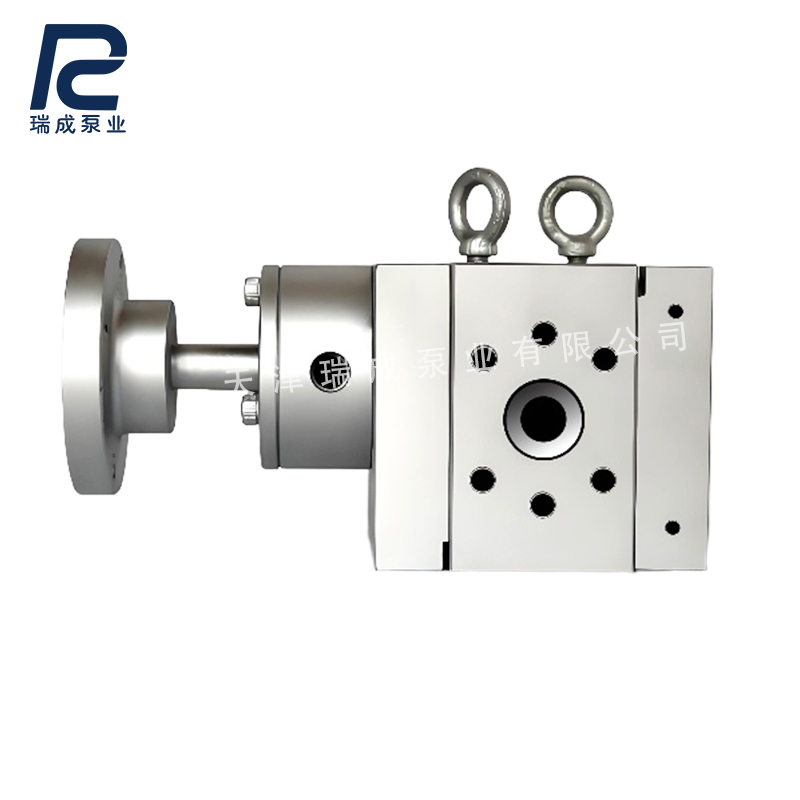
In plastic extrusion production, melt pumps may be used in sheet, film, and pelletizing applications; however, the selection criteria for melt pumps vary across these three operating conditions. The primary function of a melt pump is to pressurize, stabilize, and metered-feed high-temperature, high-viscosity melt, ensuring a more consistent material flow into the die, die head, or pelletizing system. However, since different production lines vary in product form, pressure requirements, flow stability needs, and material fluctuations, it is not appropriate to simply select a “single pump type” for all applications.
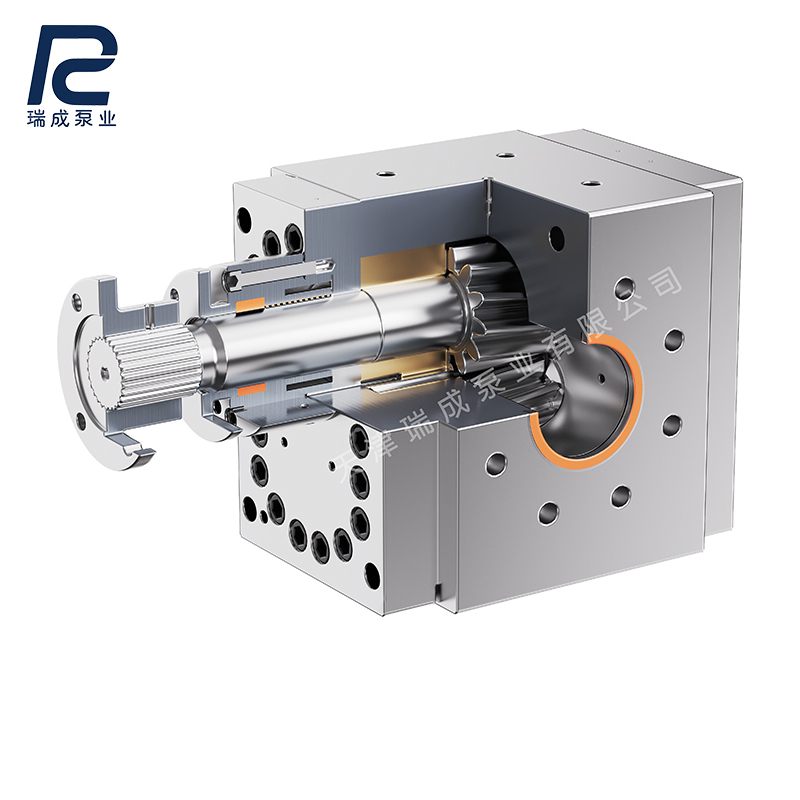
Sheet production places greater emphasis on uniform die feed and consistent product thickness. Sheets typically have a large width, and the die demands precise control over melt pressure and flow distribution. If pressure fluctuations occur in the upstream extruder, this can easily lead to uneven sheet thickness, lateral deviations, or inconsistent surface quality. Therefore, when selecting melt pumps for sheet production lines, priority should be given to flow rate matching, outlet pressure stability, pump body rigidity, and pressure resistance. For high-output sheet production lines, it is also necessary to consider die width, material viscosity, and target production capacity to reasonably select melt pumps with higher flow rates, thereby avoiding quality issues caused by insufficient material supply.
Film production demands even greater precision in flow stability. Due to the thin film thickness, the product is highly sensitive to even minor pressure fluctuations. Particularly in the production of cast film, blown film, and functional films, slight variations in melt pressure can manifest as uneven thickness, differences in transparency, unstable drawing, or fluctuations in edge quality. Therefore, when selecting equipment for film lines, in addition to pump displacement and pressure, emphasis should be placed on low-pulsation delivery, metering stability, temperature control, and processing precision. For heat-sensitive materials or high-value-added film materials, attention should also be paid to whether the pump chamber design helps minimize material retention, thereby preventing localized overheating or degradation.
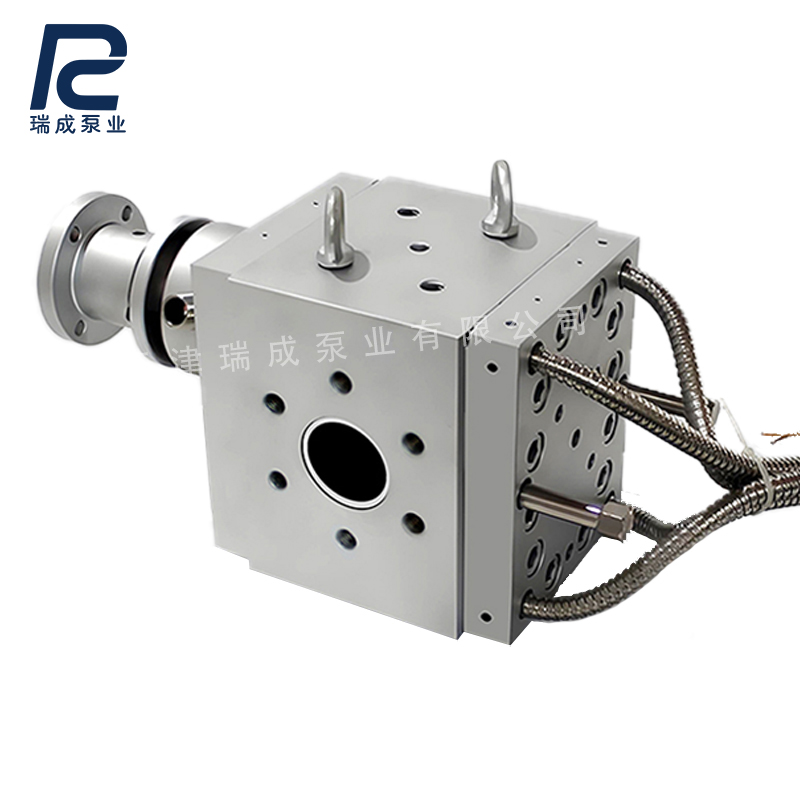
Operating conditions in pelletizing production typically exhibit greater fluctuations. This is particularly true in scenarios such as modified pelletizing, recycled plastic pelletizing, and high-filler material pelletizing, where material viscosity, impurity content, filter resistance, and upstream feed conditions are prone to change. If melt pressure is unstable, it will affect the continuity of output at the pelletizing end, resulting in inconsistent particle size, broken strands, unstable strand formation, or poor pelletizing quality. Therefore, when selecting melt pumps for pelletizing lines, priority should be given to wear resistance, resistance to impurities, inlet feeding conditions, and compatibility with the filtration system. For recycled materials or highly filled materials, the materials and heat treatment processes of critical components—such as the pump body, gears, and shaft sleeves—are particularly important.
In terms of selection parameters, sheet, film, and pelletizing all require attention to basic conditions such as material type, melt temperature, viscosity range, target output, inlet pressure, outlet pressure, and equipment configuration before and after the pump. However, in terms of practical priorities, sheet production emphasizes stable feeding at high flow rates, film production emphasizes low fluctuation and precise metering, and pelletizing emphasizes adaptability to complex materials and long-term wear-resistant operation. Therefore, melt pump selection should not be based solely on “hourly output,” but rather on a comprehensive assessment that combines product quality requirements with on-site operating conditions.
When assisting customers with melt pump selection, Tianjin Ruicheng Pump Industry Co., Ltd. typically begins by determining whether the customer is producing sheet, film, or pellets, and then further confirms details such as material name, operating temperature, output, pressure range, and die or pelletizing method. For example, in a recycled plastic pelletizing project, the customer experienced significant fluctuations in feedstock viscosity at the front end, resulting in unstable pellet size at the pelletizing end. Based on the on-site output and pressure requirements, we configured an RC series melt pump suitable for pelletizing conditions, with a particular focus on wear-resistant design and filter system compatibility. This helped the customer improve feed continuity at the back end, resulting in a more stable production rhythm.
Therefore, while the principles for selecting melt pumps for sheet, film, and pelletizing applications share a common foundation, the specific solutions cannot be identical. Only by matching the pump to the product type, material characteristics, and on-site conditions can the melt pump truly fulfill its role in maintaining stable pressure, delivering precise metering, and ensuring continuous conveyance, thereby providing a reliable guarantee for stable product quality and uninterrupted production.