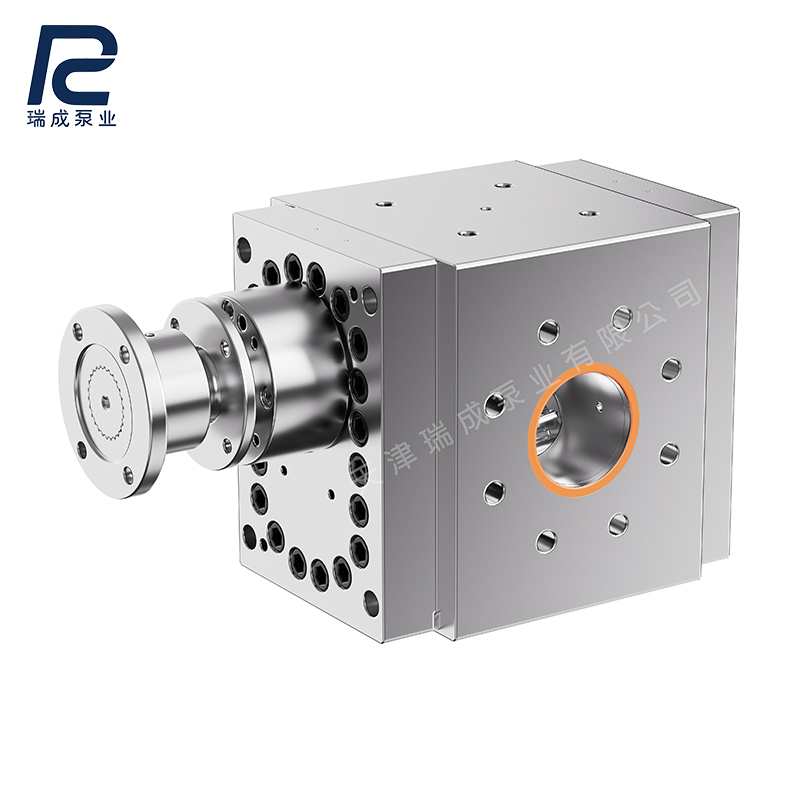
In processes such as plastic extrusion, synthetic fiber spinning, rubber processing, hot melt adhesive delivery, and polymer pelletizing, melt pumps are constantly exposed to high-temperature, high-viscosity, and high-pressure operating conditions. For these types of media, temperature not only affects the smooth flow of the material but also directly impacts the pump’s delivery stability, metering accuracy, and the continuous operation of the entire production line. Therefore, melt pumps typically require insulation or heating systems.
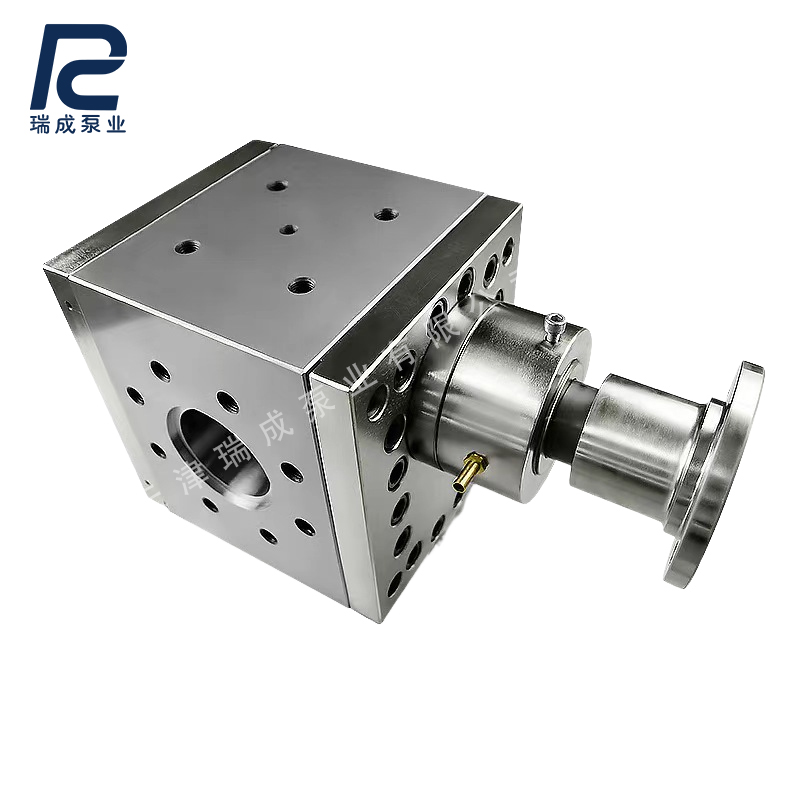
First, insulation and heating systems ensure that the material remains in a molten state suitable for conveyance. Polymer melts, hot melt adhesives, rubber, and resin-based materials are highly sensitive to temperature changes; as temperature decreases, viscosity increases significantly, leading to greater flow resistance. If the pump body temperature is insufficient, the material may stagnate, form lumps, or even partially solidify within the pump chamber, flow passages, or gear clearances. At best, this causes unstable discharge flow; at worst, it leads to difficulty in starting the pump, increased load, or even the risk of pump seizure.
Second, a stable temperature helps melt pumps perform their pressure stabilization and metering functions effectively. Melt pumps are positive-displacement gear pumps that rely on gear meshing to achieve continuous, metered delivery. If material viscosity fluctuates due to temperature changes, the pump’s suction conditions, discharge pressure, and flow stability will all be affected. By maintaining a relatively uniform temperature in the pump body, end caps, and material passages through methods such as electric heating, thermal oil heating, or jacket insulation, pressure fluctuations can be reduced, ensuring a more stable feed supply to downstream die heads, pelletizing systems, coating equipment, or spinning components.
Furthermore, insulation structures can minimize heat loss and improve the economic efficiency of equipment operation. When melt pumps are installed in extruders, reactors, or piping systems, rapid external heat dissipation forces the control system to frequently replenish heat. This not only increases energy consumption but also leads to erratic temperature fluctuations. A well-designed insulation system ensures more uniform heating of the pump body and longer-lasting heat retention, reducing the impact of the external environment on process temperatures and thereby enhancing production stability.
It is important to note that higher temperatures are not necessarily better for melt pump heating. Different materials have varying melting points, thermal stability, and process windows. Temperatures that are too low can cause viscosity to increase, while temperatures that are too high may lead to material degradation, carbonization, discoloration, or a decline in performance. Therefore, the heating method, temperature control range, and insulation structure of the melt pump should be comprehensively determined based on material characteristics, production temperature, delivery pressure, speed range, and on-site operating conditions.
Tianjin Ruicheng Pump Industry Co., Ltd. can configure the RC series melt pumps with electric heating, thermal oil heating, or other structural configurations based on the customer’s actual operating conditions. This helps users achieve stable pressure build-up, continuous metering, and reliable operation during the conveyance of high-temperature, high-viscosity materials, providing more stable conveyance assurance for processing production lines in the plastics, rubber, chemical fiber, hot melt adhesive, polymer, and petroleum industries.