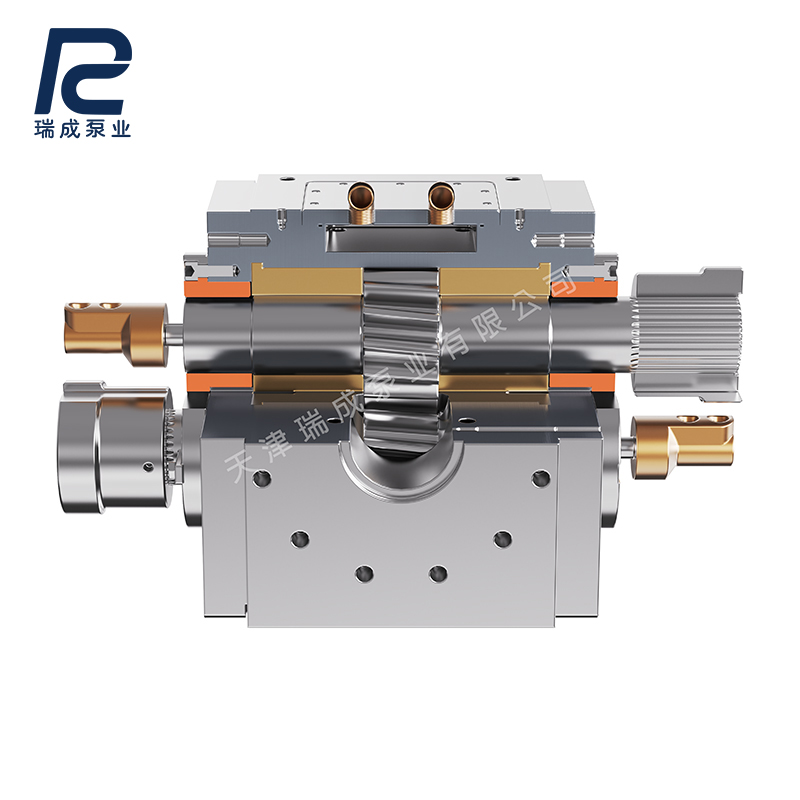
During rubber and plastic extrusion and the conveyance of high-viscosity materials, if a rubber pump experiences issues such as pipeline blockages, failure to draw in material, or unstable discharge, it will not only affect production efficiency but may also lead to pressure buildup in the equipment, abnormal temperature rises, or even shutdowns for maintenance.
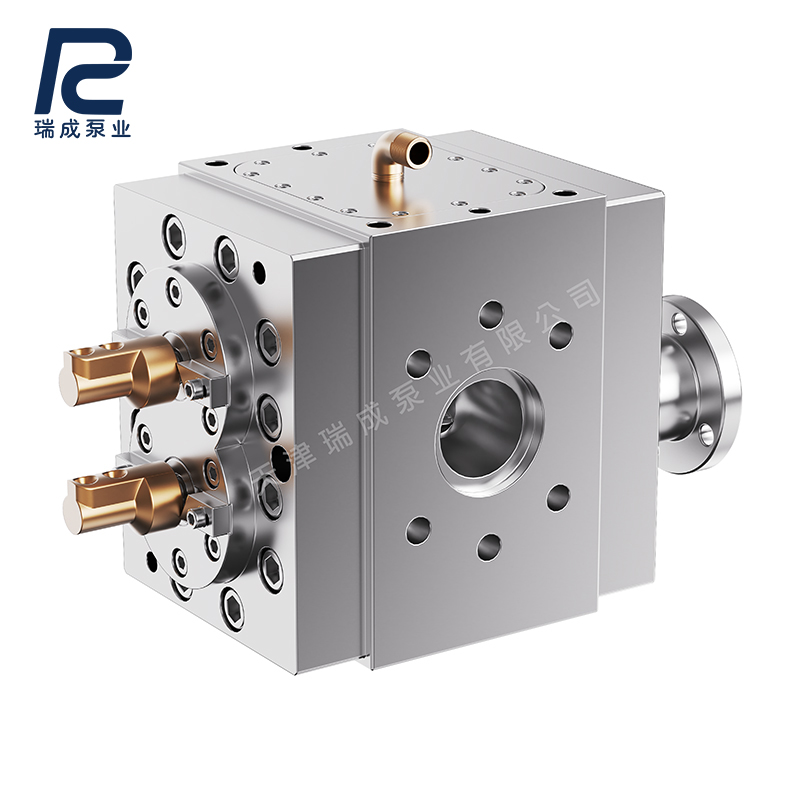
The common causes can be categorized as follows: First, excessive material viscosity or insufficient temperature, which reduces the flowability of media such as rubber and thermoplastic plastics, making it easier for resistance to form within the piping or pump chamber. Second, improper inlet piping design, such as excessively small pipe diameters, too many bends, or excessively long piping, which increases suction resistance and makes it difficult for the pump to draw in material. Third, blockages caused by impurities, char, or gel-like substances in the filter screen, piping, or inlet prevent the material from flowing smoothly into the pump. Fourth, insufficient preheating of the pump, particularly when conveying high-viscosity rubber, hot melt adhesives, or resin melts, can result in startup difficulties if the temperature does not meet process requirements. Fifth, wear on gears, bushings, or seals after prolonged operation can also impair the pump’s self-priming and delivery capabilities.
When troubleshooting, first inspect the heating system and process temperature to ensure the pump body, piping, and material are in a suitable state for flow. Next, clean the inlet filter, piping, and feed port to remove any blockages caused by impurities. Simultaneously, verify that the inlet piping is unobstructed, minimizing the use of elbows and excessively long lines. If the equipment has been in operation for an extended period, inspect the pump for wear and replace wear-prone parts as necessary.
Tianjin Ruicheng Pump Industry Co., Ltd. specializes in melt pumps, rubber pumps, and high-temperature, high-pressure gear pumps. These pumps are widely used in production lines for rubber, thermoplastics, sheets, pipes, profiles, films, and pelletizing. They are suitable for the stable delivery and precise metering of PP, PE, PVC, PET, PA, TPU, EVA, ABS, PS, rubber, and various high-viscosity polymer melts, helping customers improve discharge stability and reduce production fluctuations.