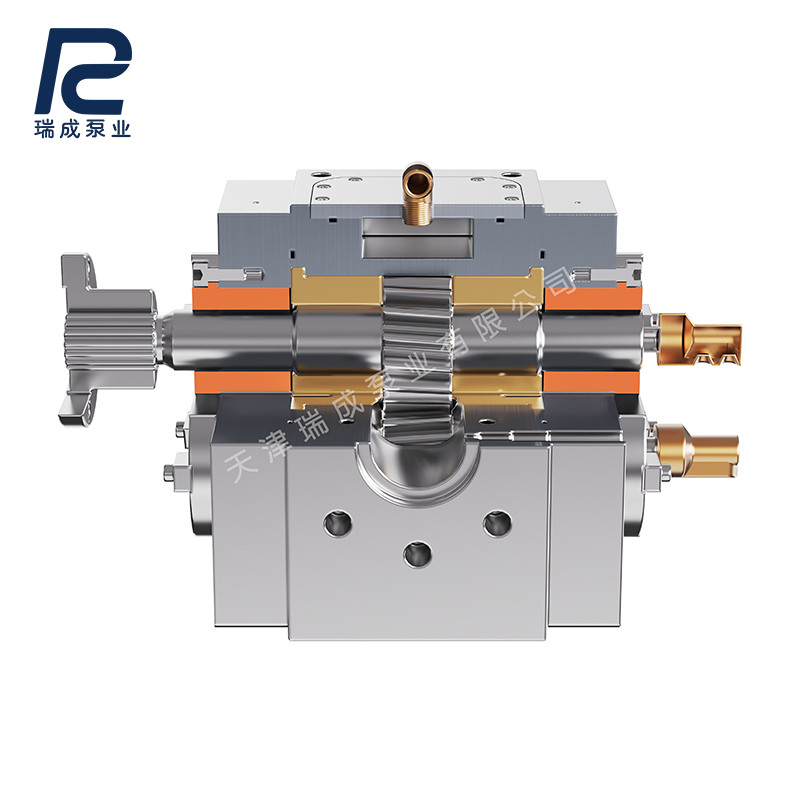
Rubber pumps are widely used in industrial production to transport high-viscosity, corrosive, or particulate-laden fluids. However, during operation, abnormal noises, vibrations, or overheating may occasionally occur, which typically indicates a pump malfunction requiring prompt troubleshooting. The high-precision rubber pumps manufactured by Tianjin Ruicheng Pump Industry Co., Ltd. are designed and built with a strong emphasis on wear resistance and corrosion resistance; nevertheless, proper use and maintenance remain critical.
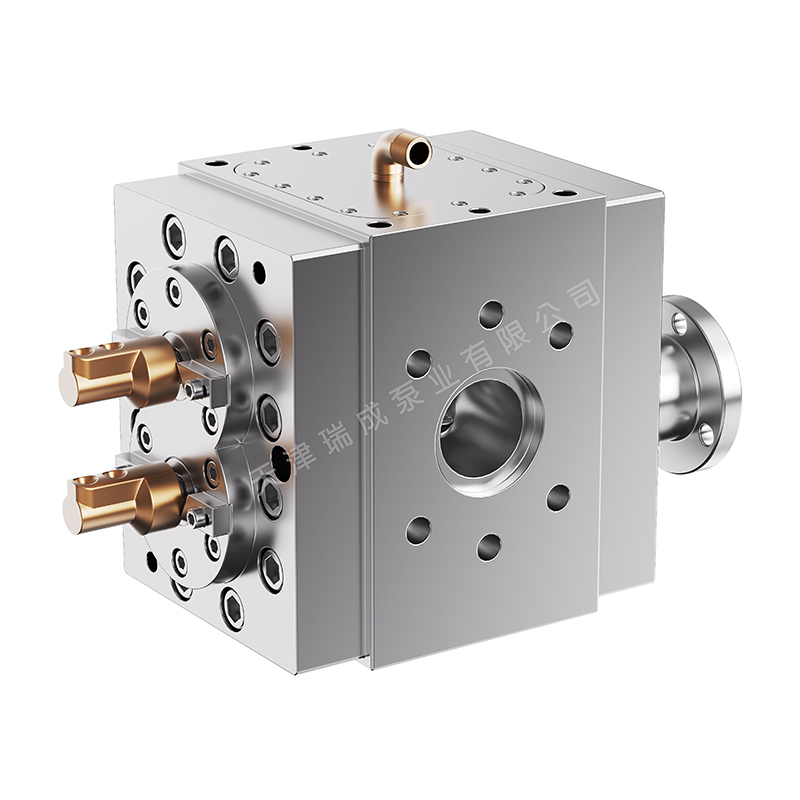
Common causes primarily include the following:
Bearing or shaft wear: During prolonged operation, insufficient lubrication or impurities in the medium can accelerate wear on the pump’s rotor and bearings. This leads to unstable rotor operation, generating friction noise and vibration, while localized friction causes the pump body temperature to rise.
Blockage in the pump chamber or piping: Solid particles, clumps, or impurities in the medium can obstruct flow in the pump chamber or discharge piping, causing uneven loading during pumping. This results in vibration and abnormal noise, while increased friction leads to overheating.
Insufficient suction pressure or air ingress: Air leaks in the suction line, an undersized pipe diameter, or excessive suction lift can result in insufficient medium intake, causing the pump to run dry or develop localized cavitation. The collapse of cavitation bubbles or impact within the pump’s clearances generates noise and vibration, while also reducing pump efficiency and causing the pump body temperature to rise.
Unstable installation or inadequate piping support: An unstable pump foundation or loose piping connections can easily cause resonance and vibration during pump operation. Prolonged vibration leads to abnormal stress on the bearings, resulting in noise and overheating.
Mismatched fluid properties: Rubber pumps are designed to handle fluids within a specific viscosity range. If the fluid viscosity is too high or too low, the pump experiences abnormal loading, increasing rotor friction, which can also cause abnormal noise, vibration, and pump body overheating.
Solutions: Users are advised to regularly inspect the wear on bearings, shafts, and rotors; clean impurities from the pump chamber and piping; ensure the suction line is properly sealed; verify that the pump foundation is secure and piping supports are adequate; and select the appropriate pump model based on the characteristics of the medium. Through proper maintenance and operation, abnormal noise, vibration, and overheating issues in rubber pumps can be effectively eliminated, ensuring long-term, stable, and efficient operation.