Abnormal noise in the spinning oil pump during operation is mostly caused by abnormal working conditions or internal component wear. If not addressed in time, it will accelerate equipment damage and affect the stable operation of the spinning production line.
Common abnormal noises are mainly divided into two categories. The first category is cavitation noise, characterized by a crisp popping sound during operation, and is the most frequent equipment failure. The main causes include low oil level in the tank, supply blockage due to a clogged oil suction filter, and air suction caused by loose connections in the oil inlet pipeline.
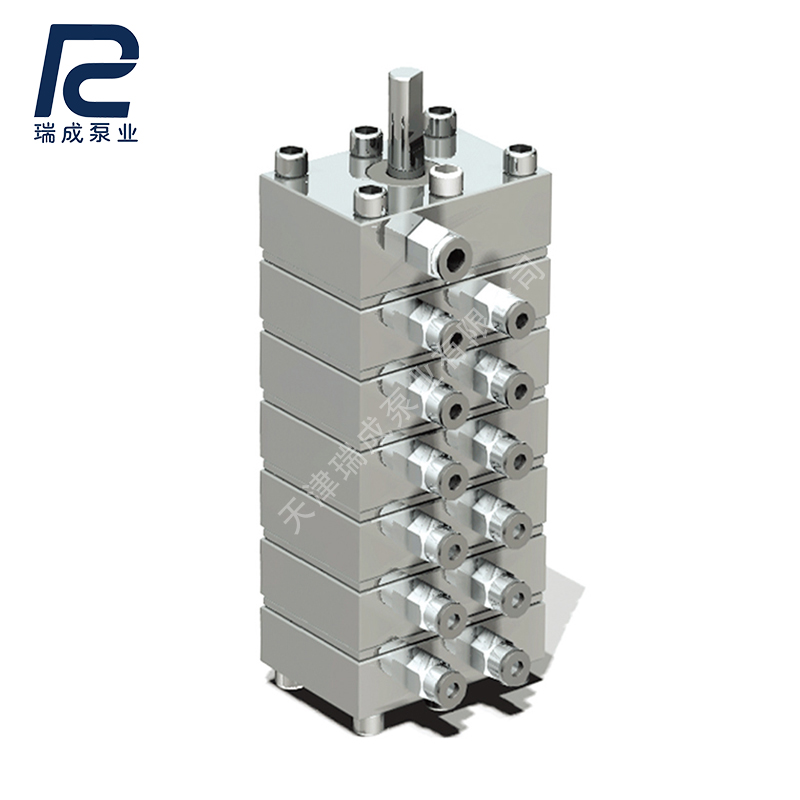
The second category is mechanical friction and impact noise, which originates from internal wear in the pump body. Long-term operation of bearings and gears causing wear and aging, or oil mixing with seal debris, condensed hard lumps, and other solid impurities, can all cause internal friction and jamming, resulting in continuous mechanical noise.
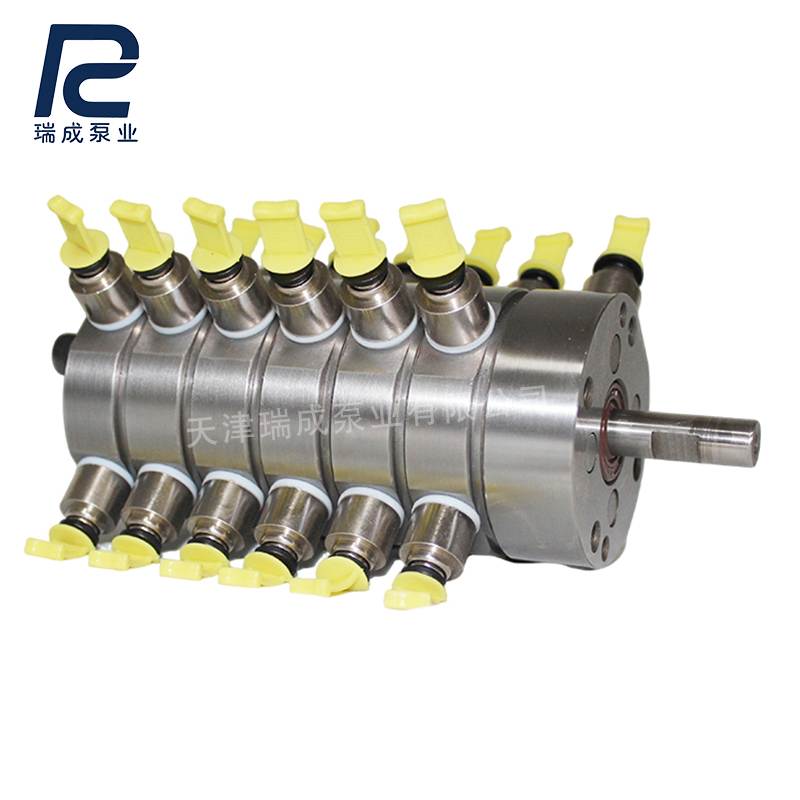
Targeted solutions are clear and standardized: when cavitation noise occurs, promptly refill the oil tank, clean or replace clogged filters, fully tighten the oil inlet pipe connections, and check for and eliminate air leakage hazards. If mechanical noise is detected, the pump must be immediately shut down, disassembled, inspected, worn bearings and gears replaced, and the pump chamber thoroughly cleaned of debris and dirt.
Routine inspections should focus on identifying the type of abnormal noise. Cavitation faults must be dealt with quickly, which can effectively extend the life of the oil pump and ensure the safe and stable operation of the production line.