As a core piece of equipment in a continuous production line, if the bottom pump shows an abnormal increase in energy consumption, it often indicates potential internal or system hazards. If the equipment is found to be consuming much more, it is recommended to conduct a systematic inspection in the following three steps:
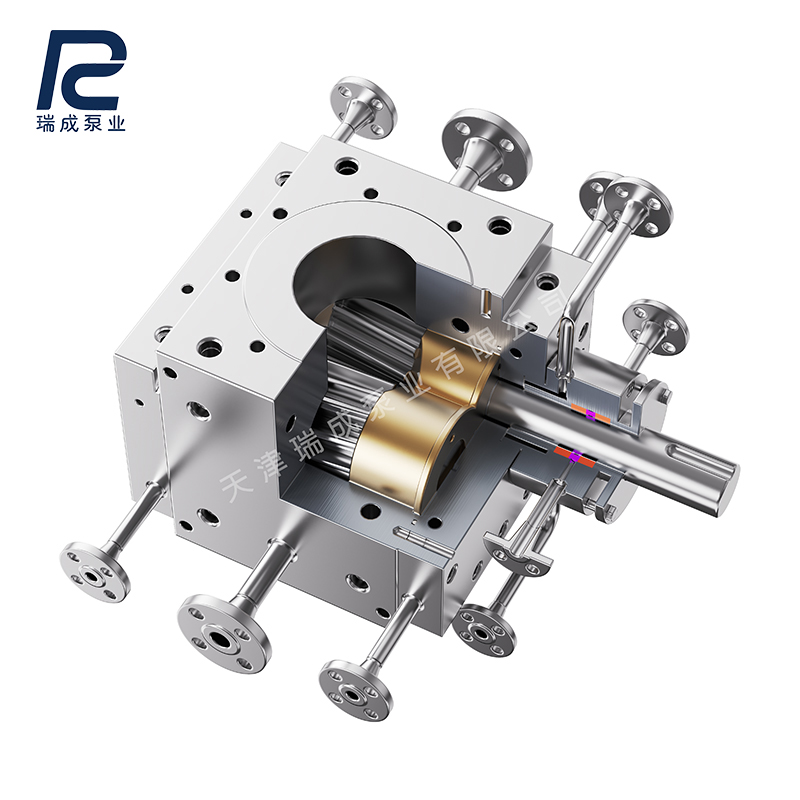
Step 1: Check Internal Friction
Bearing wear or poor lubrication is a common cause of increased rotational resistance. Check whether the oil level is sufficient and whether the oil quality has deteriorated, and also pay attention to any unusual noises during operation. In addition, excessively small gear clearances or the entry of foreign objects can also cause abnormal friction, so monitor changes in current and vibration values.
Step 2: Verify Process Conditions
If the material temperature is too low, viscosity can increase sharply, causing a sudden load increase on the pump. Ensure that process temperatures meet standards. Also, check whether downstream filters are blocked or whether the outlet valves are not fully open, to avoid the pump operating under prolonged 'pressure restriction.'
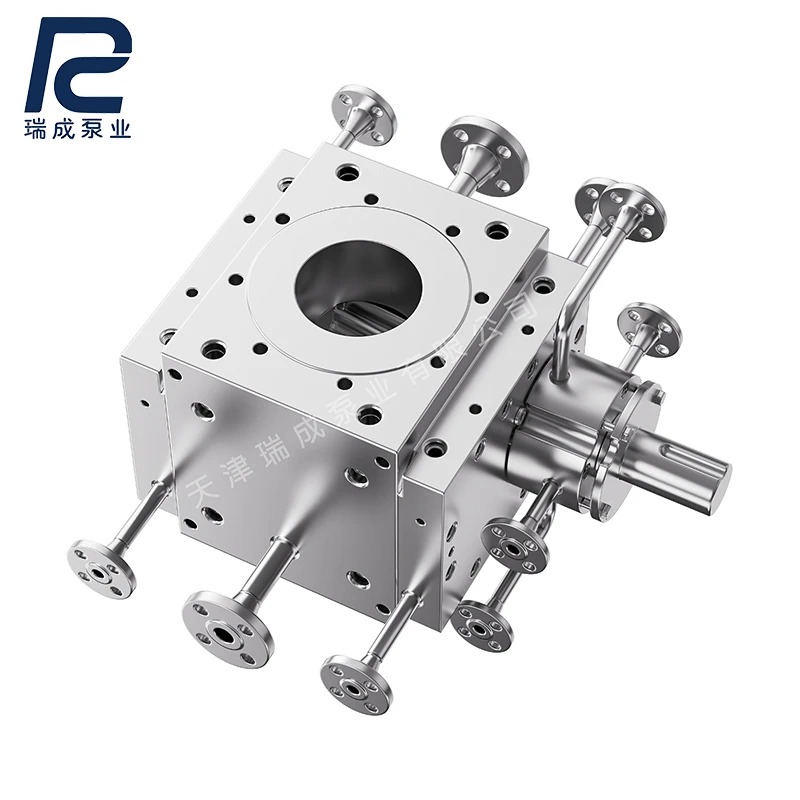
Step 3: Assess Internal Wear
If no issues are found in the above checks, severe wear of key internal pump components may be causing a significant drop in volumetric efficiency. At this point, schedule a shutdown and disassembly to carry out a comprehensive inspection of the pump.
Timely identification of the root cause of abnormal energy consumption is not only key to ensuring safe equipment operation but also the foundation for achieving energy saving and consumption reduction.