The standby pump is the last line of defense in a continuous production line. A bottom-mounted pump on standby, ready for immediate use, is key to ensuring uninterrupted production. To achieve rapid and safe switching, standby management must strictly follow the following standardized procedures:
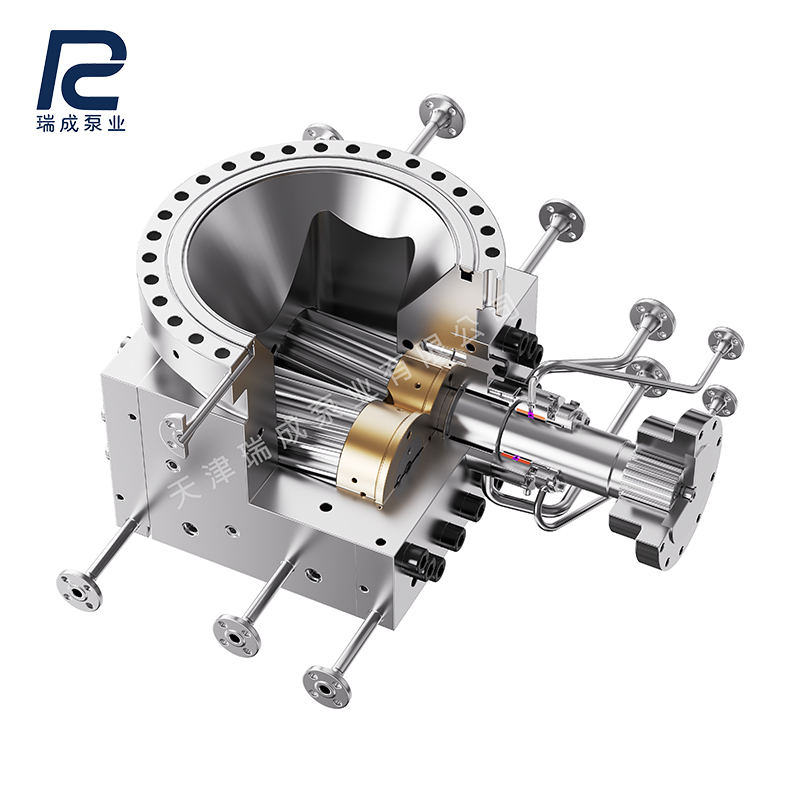
First: Selection and Acceptance
The standby pump must be completely identical to the main pump in model, specifications, and interface dimensions. Upon arrival, it should undergo a separate trial run and acceptance check to confirm that all performance indicators meet standards, ensuring it can be directly substituted in an emergency.
Second: Storage and Maintenance
During long-term storage, if the standby pump is neglected, it can easily experience corrosion, sticking, seal aging, and other issues. Storage and maintenance should focus on four points:
Clean and dry: Thoroughly clean and dry the interior to prevent residue from corroding components or hardening and seizing parts;
Seal protection: Use flange blind plates to seal the inlet and outlet, and apply anti-rust grease to exposed pump shaft areas to prevent seal aging and failure;
Regular rotation: Manually rotate the coupling several turns each month to prevent bearing seizure and maintain internal lubrication;
Environmental control: Store in a dry, clean indoor environment to avoid extreme temperature and humidity that accelerate component aging.
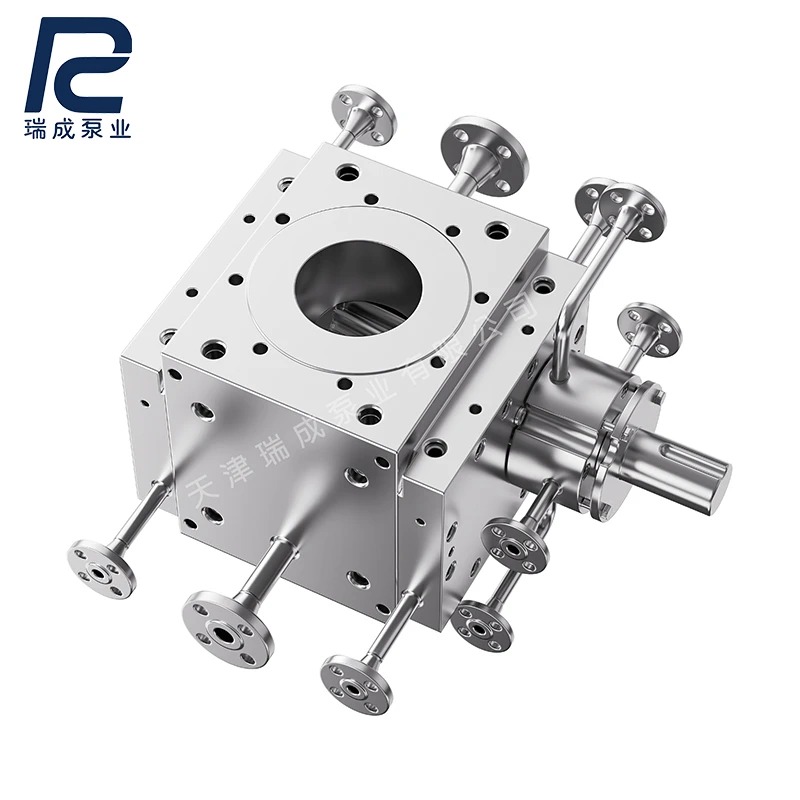
Finally: Pre-Operation Inspection
Before putting the standby pump into service, it must be fully preheated according to operating procedures to allow even thermal expansion of all components. Conduct a comprehensive check of fasteners, sealing systems, and lubrication status; only after confirming all is correct can it be switched to operation.
Through standardized standby management, failure response time can be effectively shortened, safe and smooth switching can be achieved, and production losses from unplanned downtime can be minimized.