As the core equipment of the extrusion production line, the normal operation of the melt pump is directly related to product quality and production continuity. However, in actual operation, idling is the most common yet easily overlooked serious hidden danger. Clearly understanding the hazards of idling and strictly preventing it is key to ensuring long-term stable operation of the equipment.
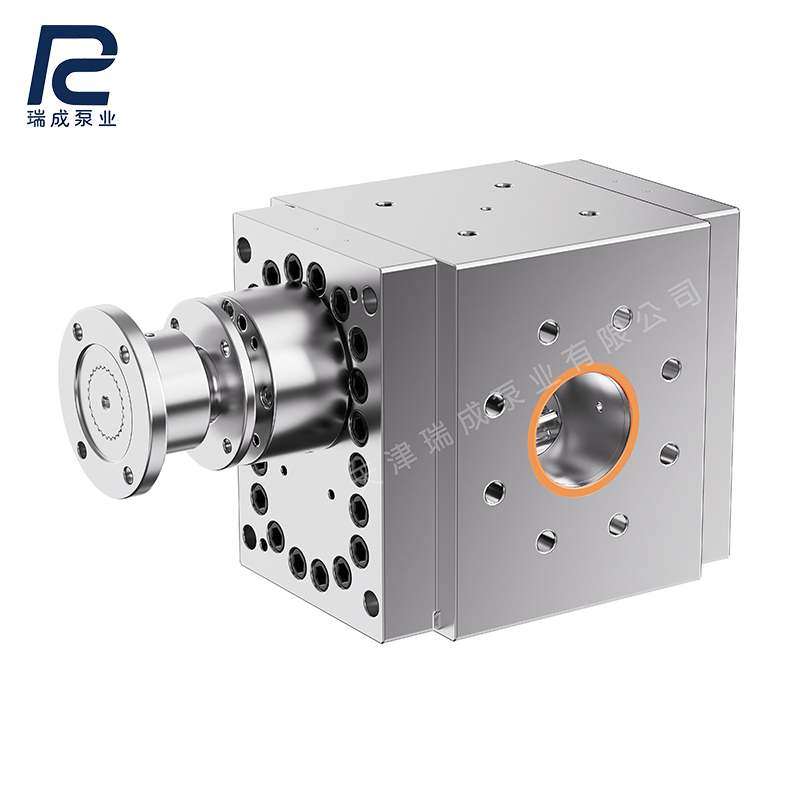
1. Equipment Damage: Lack of lubrication and cooling accelerates failure
During normal operation, the melt in the pump is not only the medium being conveyed but also plays the role of lubricating and cooling precision components such as gears and bearings. When the pump is idling, there is no melt filling the pump chamber, and the meshing gears and sliding bearings operate at high speed without medium protection, causing friction to increase sharply and leading to a rapid rise in localized temperature. This dry friction state will trigger a series of serious consequences: gear surfaces may suffer pitting damage, bearings may wear or seize, and shaft seals may age and fail due to high temperatures. Once such damage occurs, full machine disassembly and repair are often required, resulting in high maintenance costs and long downtime.
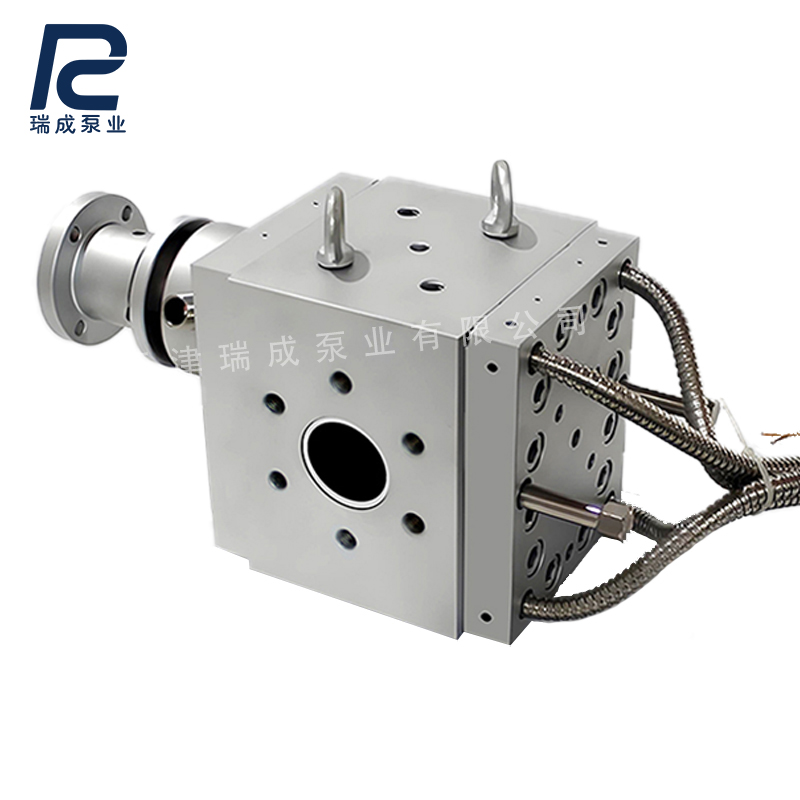
2. Quality Risks: Material carbonization contaminates products
The high temperature caused by idling can also trigger thermal oxidation and degradation of any residual melt in the pump, forming carbon deposits or coking. These degraded materials adhere to the flow channels and gear surfaces, and after the pump resumes feeding, gradually detach and mix into newly produced melt, causing defects such as black spots or color differences in products. In severe cases, entire batches may be scrapped, causing direct economic losses and reputational risks for the company.
3. Prevention Guidelines: Strictly prohibit idling and standardize operation
Given the dual hazards of idling, “strictly prohibit idling” should be the core principle of melt pump operation. Before starting, it must be confirmed that the pump chamber is fully filled with melt, and after shutdown, residual material should be promptly removed to avoid idling accidents due to operational negligence. Only by integrating this principle into daily operation and maintenance can the long-term stable operation of the melt pump be ensured, safeguarding high-quality production.