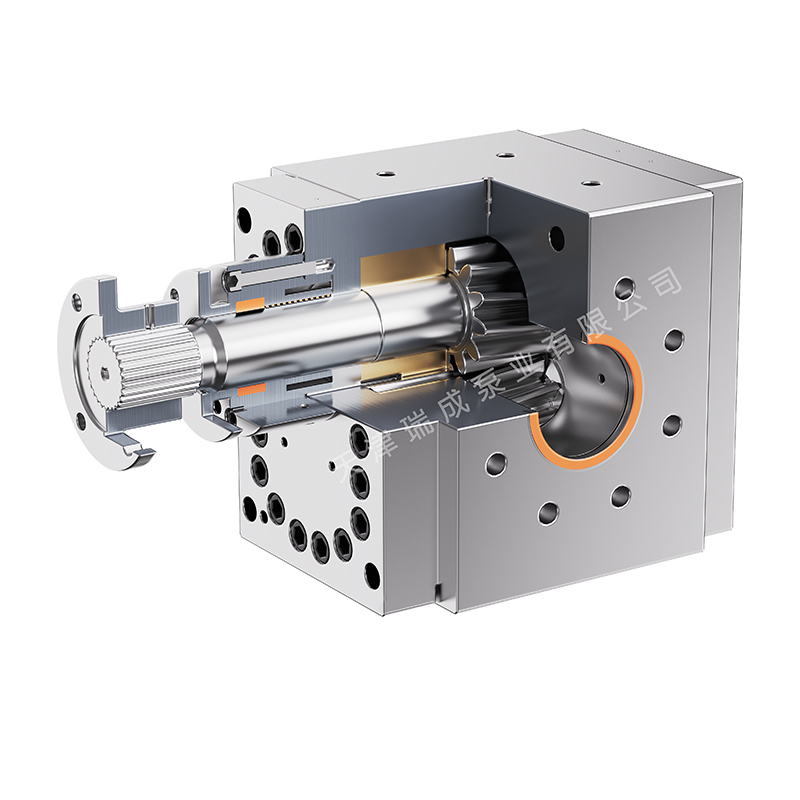
In the extrusion production of PVC pipes, after the material is extruded by the screw, it must enter the die head at a relatively stable pressure and flow rate. Since PVC melt is highly sensitive to temperature, shear, and residence time, fluctuations in pressure, uneven feed, or changes in die head resistance during the extrusion process can affect the pipe’s outer diameter, wall thickness, and surface finish. A melt pump is an auxiliary piece of equipment specifically designed to improve stability at this stage.
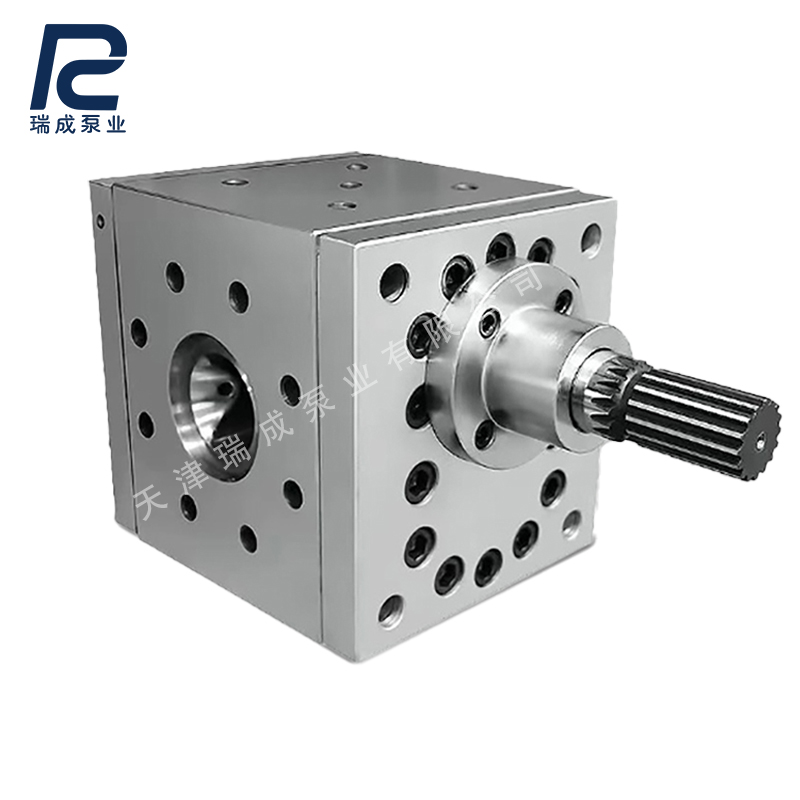
In terms of operating principle, melt pumps are typically installed between the extruder and the die head. They utilize gear meshing to create a positive displacement, enabling the continuous, metered delivery of high-viscosity melt. Rather than simply adding an extra component to the process, this arrangement appropriately separates the screw’s plasticizing function from the tasks of building pressure and stabilizing flow in the melt, resulting in smoother operation of the extrusion system.
In PVC pipe production, the primary functions of a melt pump are reflected in three aspects. First, it stabilizes melt pressure. When factors such as screw speed, raw material batches, and filtration resistance fluctuate, pressure upstream of the die is prone to variations. The melt pump buffers these changes, helping to maintain continuity in the pipe forming process. Second, it stabilizes output flow rate. Pipe wall thickness and weight per meter are closely related to melt output; the more stable the flow rate, the easier it is to coordinate subsequent processes such as traction, sizing, and cooling. Third, it improves load distribution within the extruder. With a melt pump installed, the screw can focus more on melting and plasticizing, while the melt pump assumes part of the pressure required by the die. This helps reduce process disturbances caused by backpressure fluctuations in the system.
For PVC pipe manufacturers, the decision to install a melt pump should be based on a comprehensive assessment of production volume, pipe specifications, formulation systems, die resistance, and on-site process requirements. Proper selection and correct use of melt pumps can support pipe dimensional control, continuous production, and process adjustments.
Tianjin Ruicheng Pump Industry focuses on the application needs of melt conveying equipment in the plastic extrusion field. Based on customers’ material properties, production conditions, and installation space, we provide tailored recommendations to help users optimize their extrusion system configurations.