If the bottom furnace pump produces abnormal noise or vibration during operation, it is often a warning sign of equipment failure and needs to be inspected and addressed promptly to prevent the issue from worsening and affecting production. Based on practical experience, the main causes of abnormal noise and vibration are generally concentrated in the following four areas:
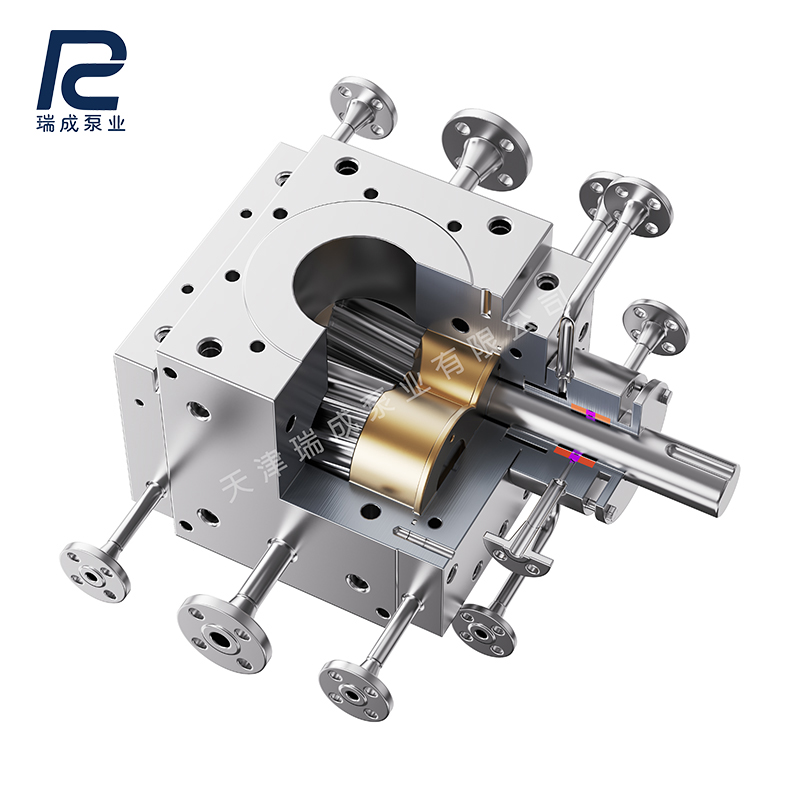
1. Analysis of the Main Causes:Cavitation (typical symptoms): This is the most common cause. When the inlet supply is insufficient or the system's vacuum is too high, the pump produces a 'popping' noise accompanied by severe pressure fluctuations, which can cause damage to the pump body in severe cases.
2.Bearing/Gear Damage: Wear on bearings or gear fatigue can cause persistent abnormal noise and regular vibrations, which worsen with prolonged operation.
3.Misalignment/Loosening with the Motor: If the coupling is not properly aligned or the foundation bolts are loose, it can cause increased vibration of the entire machine and affect operational stability.
4.Foreign object entry: Clumped material or hard particles accidentally getting stuck in the gear meshing area can produce sudden impact noises and severe vibrations.
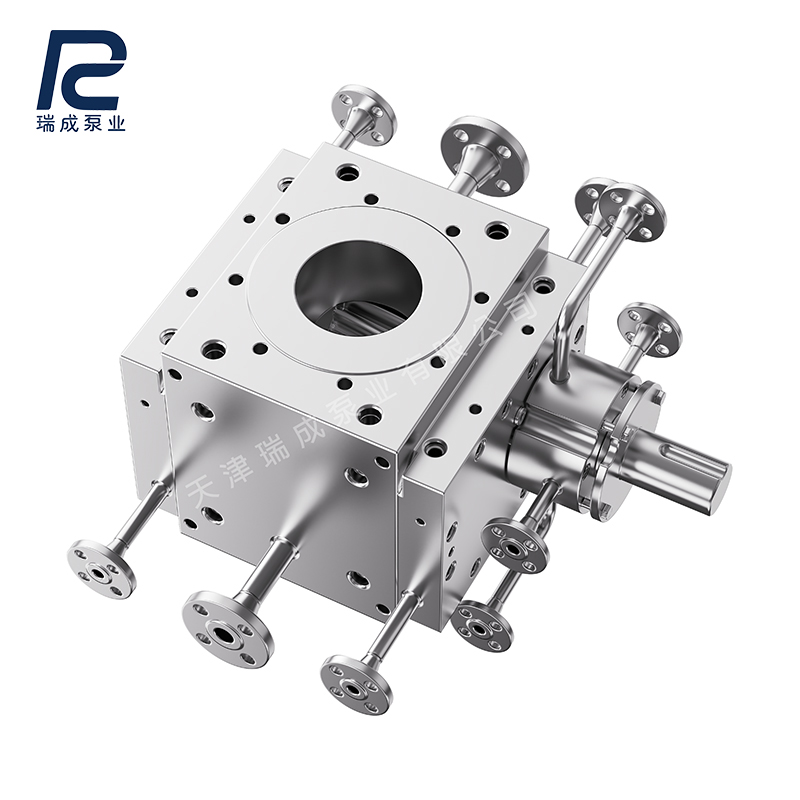
Systematic Solutions:
In response to the above issues, it is recommended to follow the steps below in an orderly manner:
Step 1: Prioritize cavitation inspection
Immediately check whether the inlet filter is clogged, whether the inlet valve is sufficiently open, and whether the material level in the reactor is normal. Ensure continuous and stable feed to fundamentally prevent suction problems.
Step 2: Check fasteners and alignment
If cavitation has been ruled out, shut down the equipment for a thorough inspection: tighten all foundation bolts, check the coupling alignment accuracy and recalibrate if necessary, eliminating mechanical vibrations caused by looseness or misalignment.
Step 3: Shutdown and disassembly inspection
If the above measures are ineffective, arrange for pump disassembly and maintenance. Inspect the wear of bearings and gears, measure critical fit clearances, thoroughly remove any internal debris, and replace damaged components if necessary.
As a key piece of equipment for discharging material from the reactor, the operation of the bottom pump directly affects production continuity. By quickly identifying the root cause of faults and taking targeted measures, it is possible to effectively restore stable equipment operation and ensure the safety and stability of the production line.