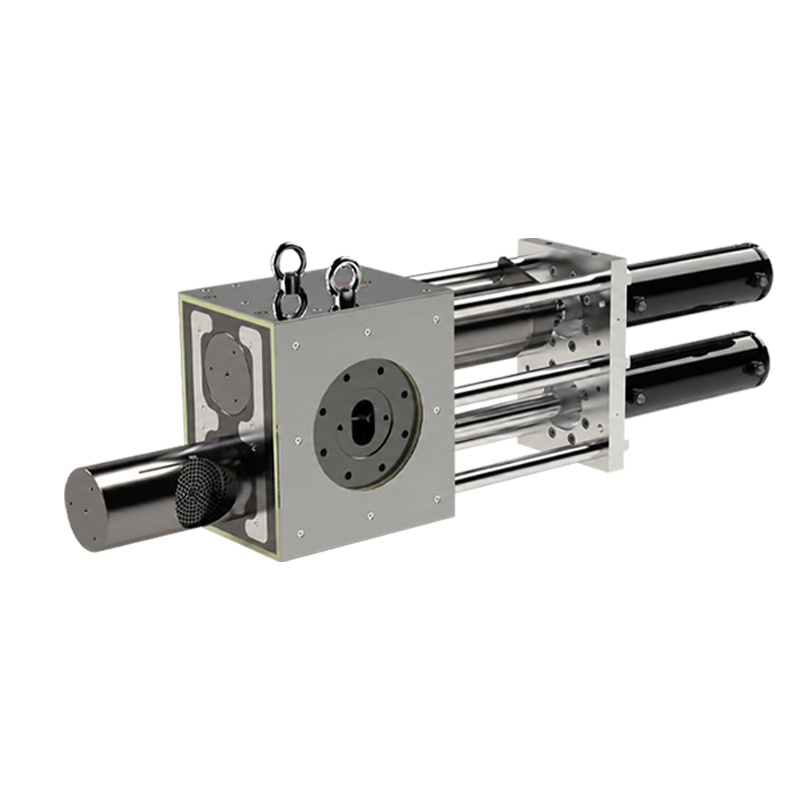
In plastic extrusion production lines, the screen changer and melt pump are commonly used complementary pieces of equipment in the melt conveyance process. The screen changer is primarily responsible for filtering out impurities from the melt; the melt pump, driven by a pair of external meshing gears, continuously conveys the melt along both sides of the pump chamber, serving to increase pressure, stabilise pressure and ensure metered delivery. The installation sequence of these two components affects pump body wear, outlet pressure and the moulding quality of the product; therefore, a comprehensive assessment must be made based on the characteristics of the material and the actual operating conditions.
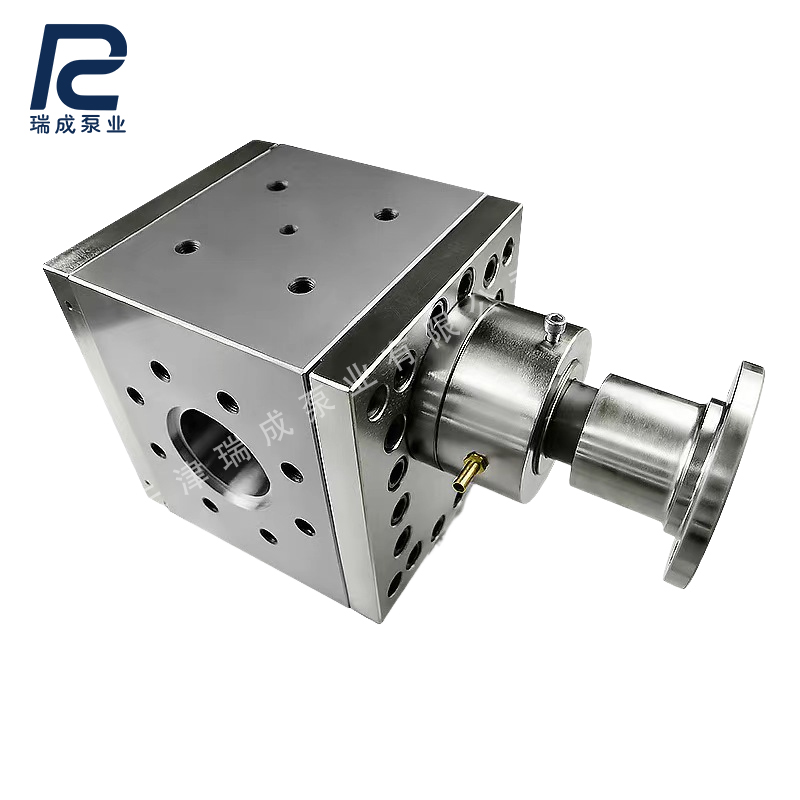
A common configuration is: extruder, screen changer, melt pump, die head. The melt first passes through the screen changer, where impurities are trapped by the filter screen, before entering the melt pump. This reduces the ingress of hard impurities into the mating areas of the gears and bushings, thereby minimising the risk of abnormal wear on the gears, bushings and side plates.
Installing the melt pump downstream of the screen changer also helps to mitigate the impact of fluctuations in the extruder’s feed rate and the screen-changing process on die pressure. The filtered melt is continuously conveyed by the gears, resulting in relatively stable outlet pressure and flow rate. This makes it suitable for production lines requiring uniform output, such as those for film, sheet, pipe, precision pelletisation and chemical fibre spinning.
It should be noted that after the filter screen has been in use for some time, the amount of trapped impurities will gradually increase, causing the pressure differential across the screen changer to rise, whilst the inlet pressure of the melt pump may decrease. Prior to installation, the pressure upstream of the pump should be verified; the filtration area and mesh size should be selected appropriately; and screen-changing intervals should be scheduled based on operating conditions to minimise issues such as insufficient feed and unstable flow caused by increased feed resistance.
In certain processes involving the conveyance of clean virgin material or special polymers, the sequence of extruder, melt pump, screen changer and die may also be adopted. This configuration utilises the melt pump to generate the pressure required for filtration; however, it imposes higher demands on material purity, and changes in screen resistance may also affect the pressure at the die end.
For materials with relatively high impurity content, such as recycled or modified materials, a ‘filtration first, pressure stabilisation later’ arrangement is generally preferred. Impurities are first intercepted by the screen changer, thereby reducing particle abrasion on the melt pump. In the case of clean raw materials or specialised production processes, a comprehensive assessment must be made based on on-site conditions, including melt viscosity, output, processing temperature, filtration precision and pipeline pressure. Tianjin Ruicheng Pump Industry can provide complete selection solutions for melt pumps and screen changers tailored to the actual operating conditions of the production line.