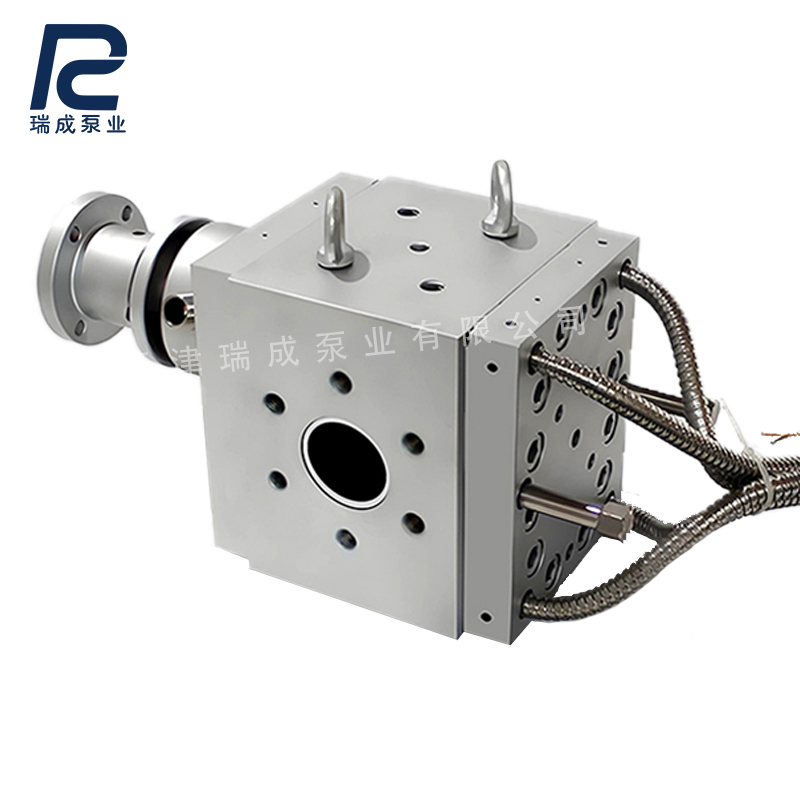
Melt pumps are typically installed downstream of extruders, reactors, or filtration units, where they perform tasks such as melt conveyance, flow metering, and pressure stabilization. In actual production, a decrease in flow rate, fluctuations in outlet pressure, increased pressure, or intermittent feeding do not necessarily indicate that the pump is damaged. Operating parameters, material condition, filtration resistance, and abnormalities in the drive system can all cause similar phenomena. Therefore, a systematic troubleshooting process based on production data should be conducted before determining whether a shutdown for maintenance is necessary.
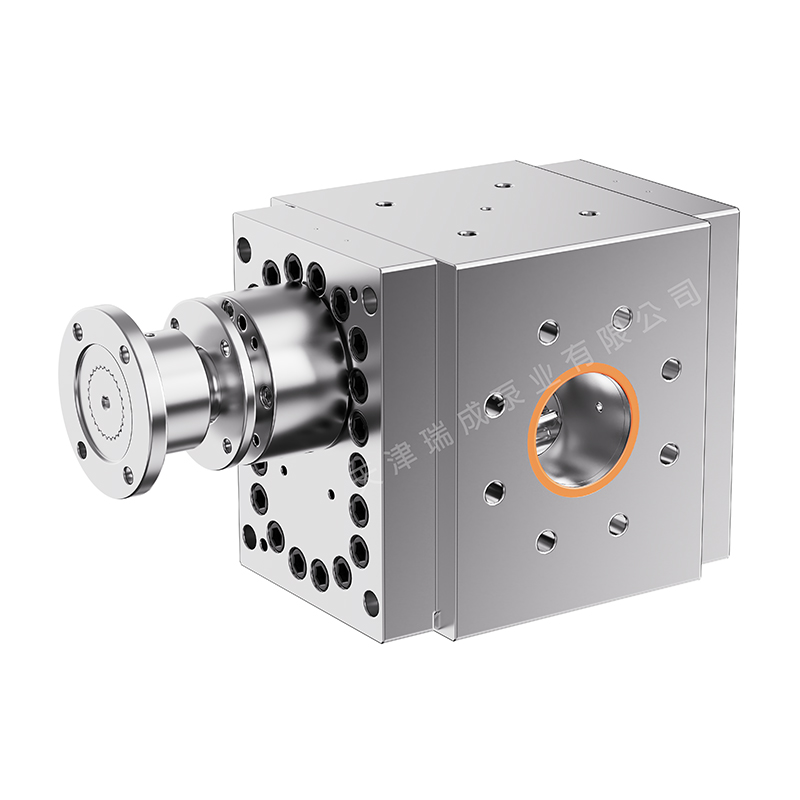
I. Check Feed Conditions First When Flow Rate Declines
If the melt pump’s flow rate gradually decreases while the rotational speed remains essentially constant, the first step is to verify whether the inlet feed is adequate. Unstable plasticization in the extruder, low inlet pressure, a drop in material temperature, or increased viscosity can all lead to insufficient filling of the pump chamber, resulting in reduced outlet flow.
You should also observe whether the drive motor speed, gearbox, and coupling are operating normally. If the motor speed is abnormal or the coupling is slipping, the actual rotational speed of the pump shaft will be lower than the set value, which will similarly affect the output.
If there are no obvious abnormalities in feeding, temperature, or rotational speed, but the actual flow rate continues to decrease, this may be related to gear wear, increased shaft sleeve clearance, or internal backflow; this requires assessment based on operating time and equipment records.
II. Increased Outlet Pressure: Focus on Downstream Resistance
A sustained rise in the melt pump’s outlet pressure is typically associated with increased downstream flow resistance. Common causes include clogged filters, material buildup in the die channels, valves not fully open, localized blockages in the piping, and low melt temperature.
In such cases, it is not advisable to simply increase the pump speed to maintain output. Increasing the speed may simultaneously increase the load on the pump body, shaft power, and pressure at the seal areas. First, check the pressure differential across the screen changer, the condition of the die head, and the data from each temperature zone to confirm that the melt channels are unobstructed.
If the pressure remains high after clearing the downstream flow channels, also check whether the pressure sensor exhibits zero-point drift or abnormal signals to avoid misjudgments caused by measurement errors.
III. Troubleshooting Periodic Pressure Fluctuations: Feeding and Drive Systems
Periodic changes in outlet pressure may be related to pulsations in the extruder feed, uneven material mixing, or entrained gas at the inlet. When raw material moisture content is too high or plasticization is insufficient, bubbles may form in the melt; once these enter the pump chamber, they can disrupt continuous delivery.
Misalignment of the coupling, abnormal bearing operation, or changes in gear meshing may also cause regular pressure fluctuations. During troubleshooting, compare the pressure curves at the pump inlet and outlet, as well as the motor current and speed curves. If multiple parameters exhibit simultaneous periodic variations, focus the inspection on the upstream feeding and drive systems.
IV. When to Schedule Maintenance
If the equipment exhibits abnormal noise, noticeable vibration, increased shaft seal leakage, a sustained rise in drive current, stable speed but a significant decline in flow rate, or abnormal local temperatures in the pump housing, consider shutting down the equipment for inspection.
Maintenance should include inspection of gear tooth surfaces, shaft sleeves, the pump shaft, seal assemblies, and the interior of the pump housing. Pay close attention to the presence of scratches, material buildup, wear, corrosion, and changes in clearances. Before disassembly, record the inlet pressure, outlet pressure, temperature, rotational speed, current, and actual output to facilitate analysis of the cause of the malfunction.
V. Early Detection of Changes Through Operational Records
Whether a melt pump requires maintenance cannot be determined by examining a single pressure value alone. It is recommended to establish an operational log, regularly recording flow rate, pressure differential, current, temperature, and rotational speed under the same formulation and operating conditions. When continuous changes in equipment performance occur, a comprehensive assessment should be made in conjunction with material viscosity and production conditions.
Tianjin Ruicheng Pump Industry can provide technical recommendations for melt pump selection, operational troubleshooting, and maintenance based on material characteristics, process temperature, operating pressure, target flow rate, and existing equipment parameters. Properly controlling inlet conditions, avoiding operation with insufficient material, and inspecting key components according to schedule will help maintain a stable production process.