A screen changer is a common melt filtration device in extrusion production lines, typically located between the extruder outlet and the die, melt pump, or downstream molding system. As the molten material passes through the screen changer, the filter screen traps impurities, carbides, under-melted particles, and some filler agglomerates, reducing the amount of these contaminants entering downstream equipment. Proper configuration of the screen changer helps reduce issues such as die blockages, unstable output, and pressure fluctuations, resulting in a more continuous and stable production process.
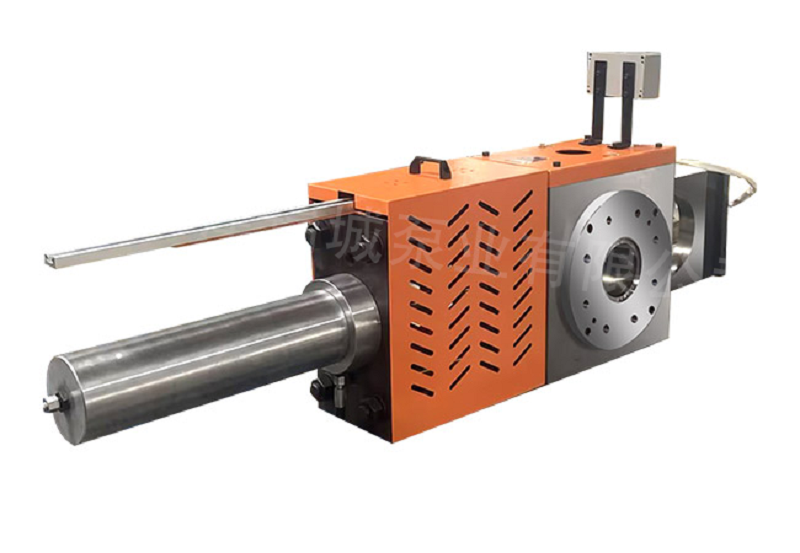
The selection of a screen changer depends primarily on the characteristics of the material. Different raw materials vary in melt viscosity, temperature, impurity content, and flowability, resulting in different requirements for filter area, mesh size, flow channel structure, and heating methods. For example, recycled materials contain more impurities and cause the filter screen to clog quickly, so priority should be given to filter area and screen-changing efficiency; whereas for virgin materials or materials with high purity, an appropriate mesh size can be selected based on product precision requirements to avoid excessive pressure caused by overly fine filtration.
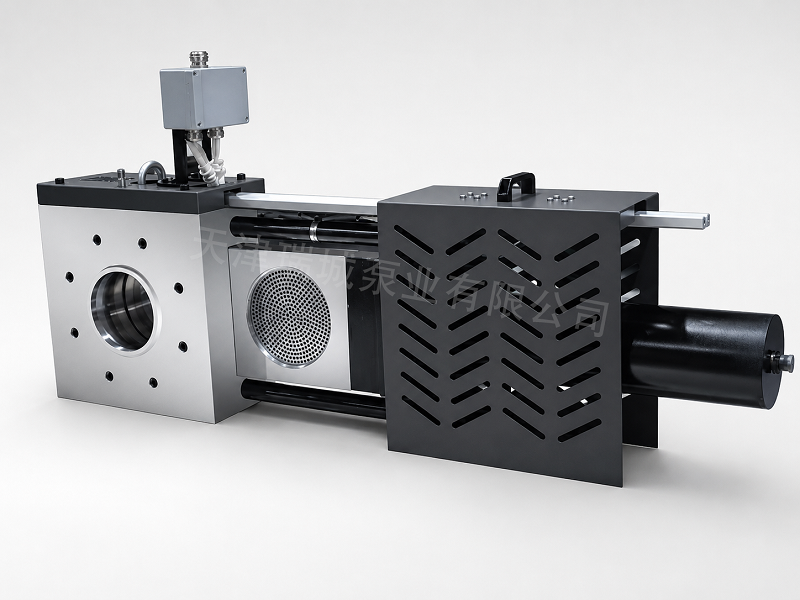
Secondly, production output and extrusion pressure must be considered. If the screen changer is too small, it can lead to excessive pressure drop and frequent screen changes, disrupting continuous production; if it is too large, it may increase residence time, which is detrimental to the processing of heat-sensitive materials. Therefore, when selecting a model, it is essential to match the specifications based on the extruder’s output, the melt pump’s displacement, the die’s flow rate requirements, and the system’s allowable pressure differential—rather than simply choosing based on the pipe diameter.
Third, consider the production line’s requirements for continuity. Standard manual or hydraulic plate-type screen changers have a simple structure and are suitable for applications with lower output, infrequent screen changes, and where brief production stoppages are acceptable. Double-column, double-plate, or continuous-type screen changers are better suited for production lines with higher output, higher levels of impurities, or where frequent stoppages are undesirable. For processes sensitive to pressure fluctuations—such as underwater pelletizing, film extrusion, and sheet extrusion—special attention should be paid to pressure stability during the screen-changing process.
Screen mesh count is another key consideration in selection. A higher mesh count provides finer filtration precision but also increases flow resistance. When making an actual selection, a comprehensive assessment should be based on product requirements, impurity types, and material flow characteristics. Blindly pursuing a high mesh count may lead to increased inlet pressure, shorter screen-change cycles, and even compromised extrusion stability. The appropriate approach is to select a screen combination that suits production efficiency and pressure ranges while ensuring product cleanliness.
Heating methods and temperature control capabilities also require careful consideration. Since screen changers are in prolonged contact with high-temperature melt, uneven temperature control can easily lead to localized cold spots, material stagnation, or carbonization. For high-viscosity, heat-sensitive, or easily degradable materials, a design with smooth flow paths, minimal dead zones, and reasonable temperature control zones should be selected, ensuring coordination with the temperatures of the extruder, melt pump, and die head.
In actual production, screen changers are often used in conjunction with melt gear pumps. The screen changer is responsible for filtering out impurities, while the melt pump is used to stabilize pressure, boost pressure, and deliver a metered flow. When matching these two components, attention must be paid to their installation positions, upstream and downstream pressures, pressure changes following screen clogging, and the stability of the melt pump’s inlet feed. If the pressure drop across the screen changer is too high, it may affect the melt pump’s feed; if the filtration area is insufficient, it will also exacerbate system pressure fluctuations.
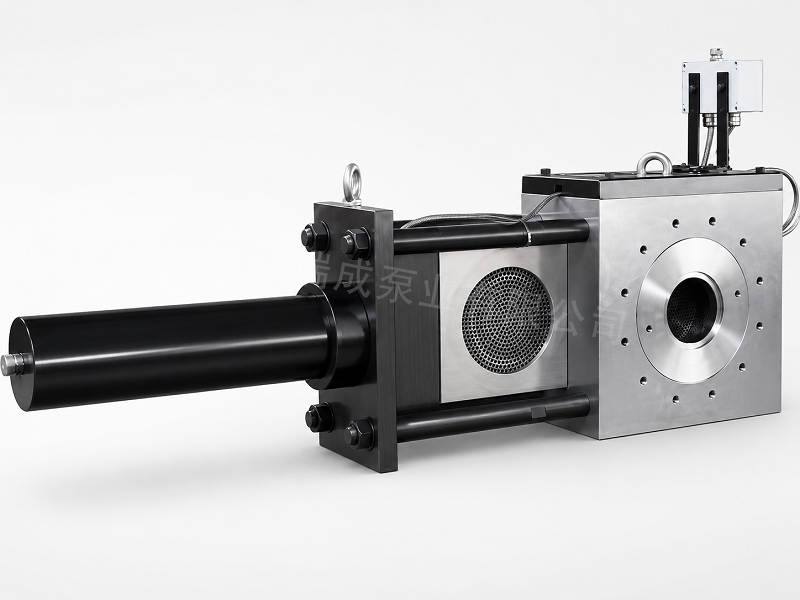
During the selection process for melt pumps, pipeline booster pumps, and related extrusion equipment, Tianjin Ruicheng Pump Industry Co., Ltd. assists customers in analyzing the compatibility between screen changers and melt pumps based on their specific material properties, output, temperature, pressure, filtration precision, and production continuity requirements. Proper selection not only enhances melt filtration efficiency but also reduces unnecessary downtime for maintenance, thereby supporting the stable operation of extrusion and pelletizing production lines.