As a key device at the discharge port of a polymerization reactor, the bottom pump of the reactor operates under high-temperature and high-pressure conditions for extended periods. Shaft seal leakage is a sudden fault that must be taken seriously; improper handling can lead to safety risks. Therefore, the following standardized handling procedure is established.
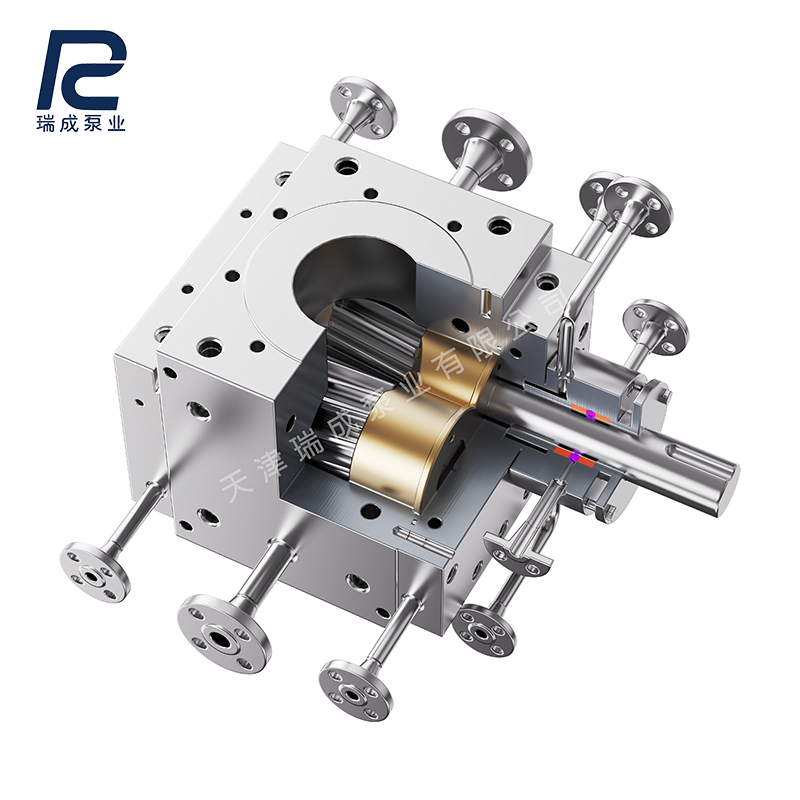
1. Emergency Response: Immediate Shutdown
Once a shaft seal leakage is detected, the system must be shut down immediately and isolated to prevent high-temperature materials from causing burns or secondary accidents such as fires. Attempting to deal with the leakage while the equipment is running is strictly prohibited.
2. Fault Inspection: Precise Localization
After shutdown, disassemble and inspect the sealing components, and check one by one:
Check the wear status of sealing parts to confirm whether it is due to wear of the rotating/stationary ring, spring failure, or O-ring aging.
Verify whether the operating conditions involve excessive temperature, pressure surges, or coking particles entering the sealing surface.
Confirm whether the seal flushing and cooling system (if equipped) is unobstructed and whether the pressure is normal.
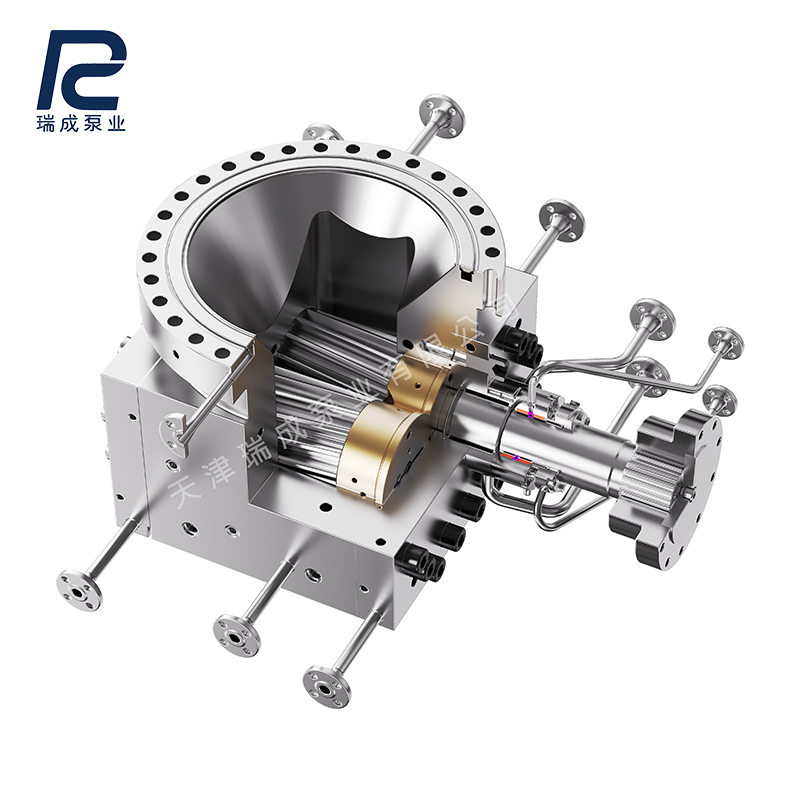
3. Standardized Replacement: Ensure Quality
When replacing sealing parts, the following principles must be followed:
Replace the rotating and stationary rings in pairs, using original parts or materials with higher temperature and wear resistance.
Strictly adjust the spring compression according to the equipment manual, ensure that the sealing faces are clean and flat, and assemble properly.
4. Preventive Optimization: Long-Term Management
Reduce leakage occurrence from the source:
Optimize process parameters to avoid drastic temperature fluctuations and pressure shocks.
Enhance filtration measures to prevent hard particles from entering the sealing surface.
Include seal conditions in the preventive maintenance plan and conduct regular inspections.
Balancing standardized operation with prevention is the key to ensuring the long-term safe and stable operation of the bottom pump.