In chemical fiber spinning production, leakage of the oil pump shaft seal is a common fault affecting the stable operation of equipment and on-site cleanliness. As a key sealing component of the pump body, once the shaft seal fails, it not only causes oil wastage but may also trigger safety hazards due to leakage. Therefore, accurately identifying the cause of leakage and handling it properly is an important part of equipment maintenance.
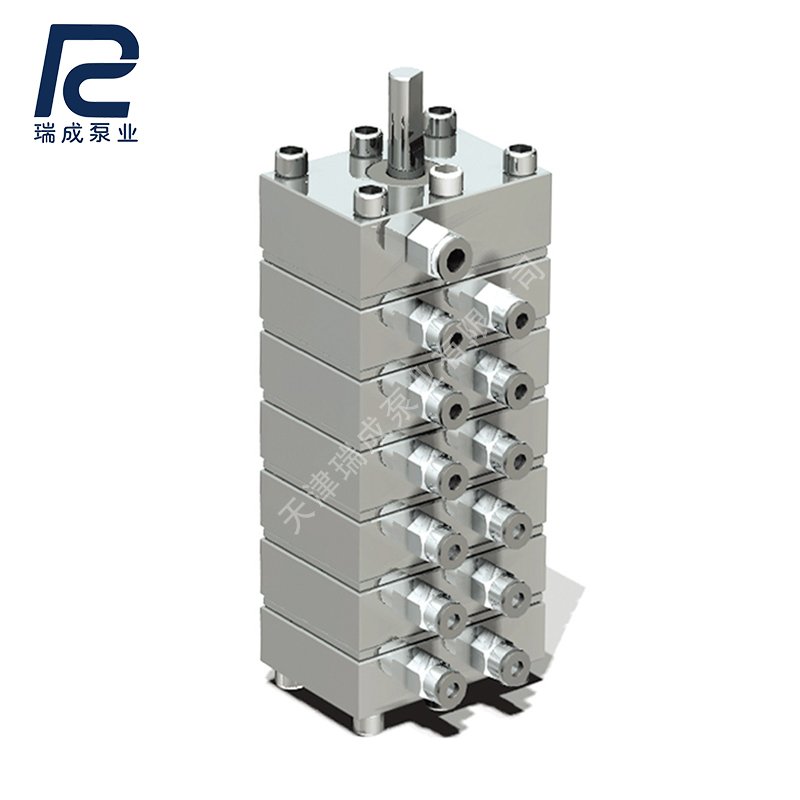
1. Four Main Causes of Leakage
Seal failure is the most common cause of shaft seal leakage. The dynamic ring and stationary ring may develop scratches or uneven surfaces on the sealing end face due to long-term wear; O-rings may lose elasticity due to medium corrosion or high-temperature aging, resulting in poor sealing.
Shaft wear or scratches should not be ignored. If grooves form on the shaft surface that contacts the seals due to wear or improper installation, the seals cannot fit effectively, leading to leakage.
Abnormal operating conditions can exacerbate seal damage. Excessive system pressure, frequent fluctuations, or excessive pump shaft vibration may exceed the design limits of the seal, causing instantaneous failure of the sealing surface.
Improper installation is also a human factor. If the seal cavity is not cleaned properly, the seal is installed in the wrong direction, or the compression is incorrectly adjusted, the new seal will not function correctly.
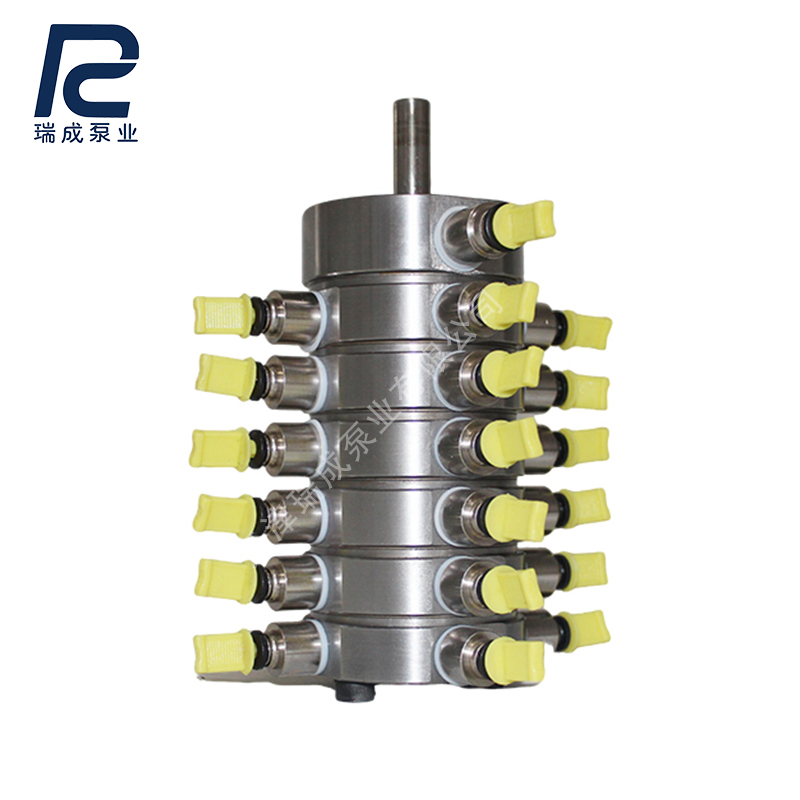
2. Standard Handling Methods
Once shaft seal leakage occurs, the machine should be stopped immediately and the seal replaced. The dynamic ring, stationary ring, and all O-rings need to be replaced as a set, ensuring the materials used are compatible with the oil, such as oil-resistant fluororubber.
Before replacement, the condition of the shaft must be checked. If wear or grooves are found on the shaft surface, the shaft should be repaired or replaced; otherwise, the new seal may not last long.
At the same time, operating conditions should be investigated and stabilized. Check whether the system pressure is within the normal range and eliminate sources of abnormal pump shaft vibration, creating a good operating environment for the seal.
During installation, strict adherence to standards is required: clean the seal cavity and shaft, confirm the installation direction according to the manual, use special tools to adjust the compression to the specified value, and ensure the seal is not tilted.
3. Prevention is Better than Repair
The root cause of shaft seal leakage is often traced back to lapses in daily maintenance. Establishing a preventive regular replacement plan to proactively replace seals before they reach the end of their service life is far better than emergency repairs after leakage. At the same time, maintaining oil cleanliness and reducing abrasive impurities are key factors in extending seal life.