The core reason why melt pumps are strictly prohibited from running dry is that their operation relies on the dual role of the melt: lubrication and cooling.
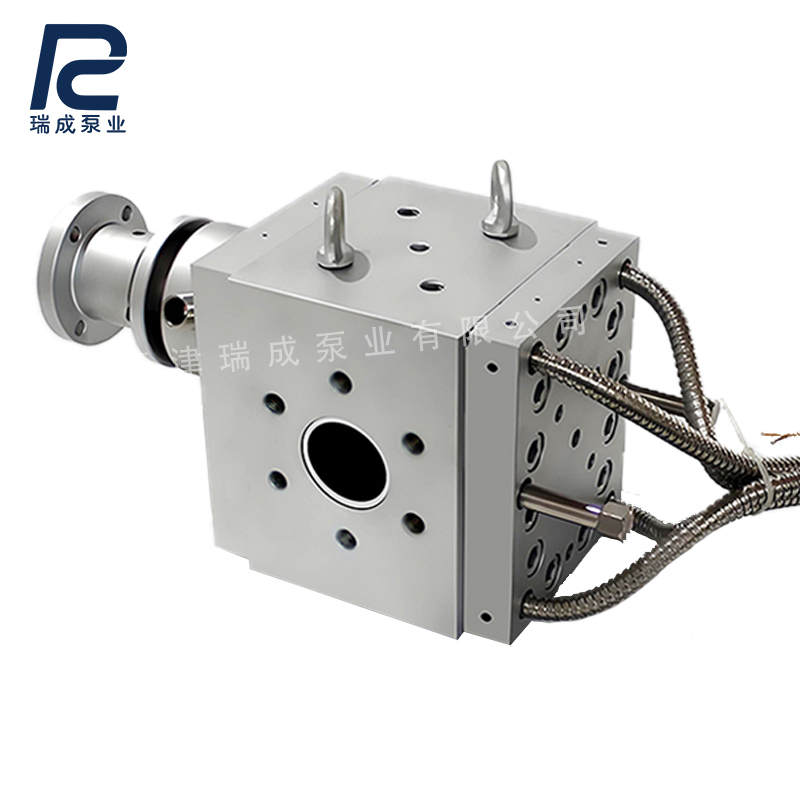
During normal operation, the melt forms a protective film between the gears and bearings, reducing friction and carrying away heat. Once dry running occurs, the melt supply is cut off, and the components immediately enter a state of dry friction. The instantaneous high temperature can cause gear scoring, bearing seizure or even scrapping, and may also burn out the seals, completely destroying the integrity of the equipment.
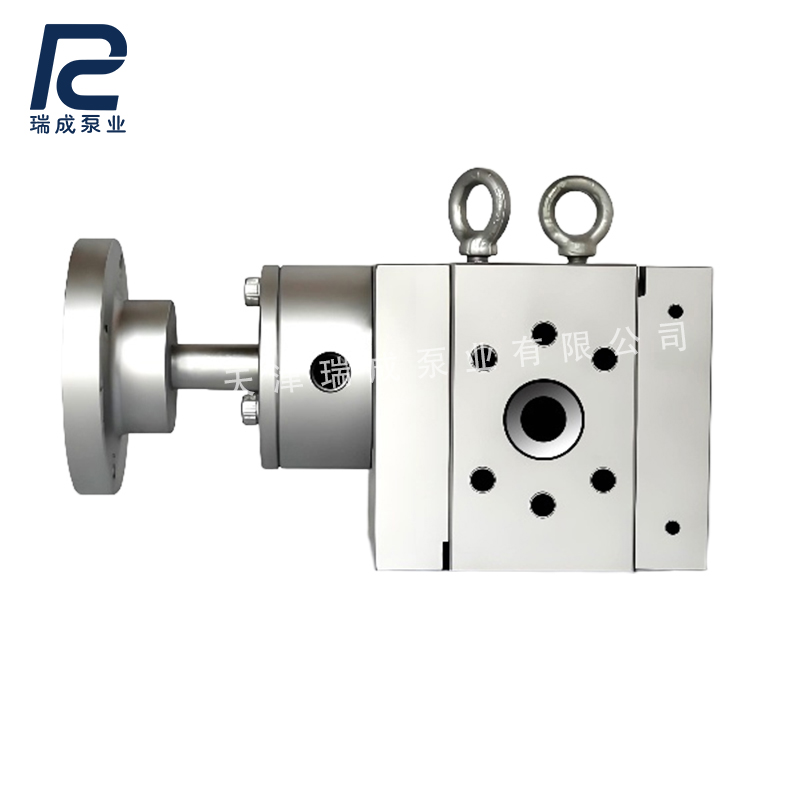
Additionally, during dry running, any residual material inside the pump cavity will carbonize under high temperature, contaminating subsequent melt and leading to product quality issues such as impurities and color variation. Therefore, dry running not only causes permanent damage to the equipment but also directly affects production efficiency, and must be strictly prevented during operation.